


.png)

Ready to drive incremental growth with influencers?
If ditching the randomness of influencer campaigns and building a predictable, ROI-first influencer program sounds like a plan. Consider talking to our team!


Influencer Marketing
How to scale from 100 to 1000+ influencer relationships without adding headcount. Used by 2-person teams managing programs that used to require 5+ people.


Contents
If your influencer program worked with around 100 creators last month and this month it looks the same, or slightly worse, something is off.
You’re busy. Outreach is happening. Products are going out. Your calendar is full.
Yet the program hasn’t really moved. It hasn’t grown stronger. It hasn’t become easier to run. It just keeps asking for the same effort over and over.
This is the point where most teams end up doing one of three things.
🤼 They hire more people to keep up.
📉 They scale the program back to something manageable.
👏 Or they fix the system so the work starts compounding instead of repeating.
In this article, we’ll break down how to pick option no.3. You'll learn what usually slows influencer programs down and the small changes teams can make to start scaling again.
Small teams get stuck long before creators ever post. They get stuck at discovery. When you don’t have a clear picture of who you’re trying to reach, or you rely on manual searching, discovery becomes slow and random. Outreach feels inconsistent, and the program never really builds momentum.
Two things change this:
Define the niches, formats, audience types, and content styles that actually support your goal. Vague targeting slows everything down.
For example, “fitness influencers” is too broad to be useful. “A yoga instructor with around 50k followers, posting three times a week, with a mostly US-based female audience” gives you something to work with. It tells you who to reach out to and who to skip.
This kind of clarity usually comes after you’ve spent some time researching your audience and writing down the goal you want to achieve.
Small teams can’t scale if they rely on hand-picking influencers from Instagram.
Using SARAL’s search engine or lookalike feature lets you pull in hundreds of qualified creators who resemble your top performers in a few minutes. That shift alone removes one of the biggest bottlenecks.
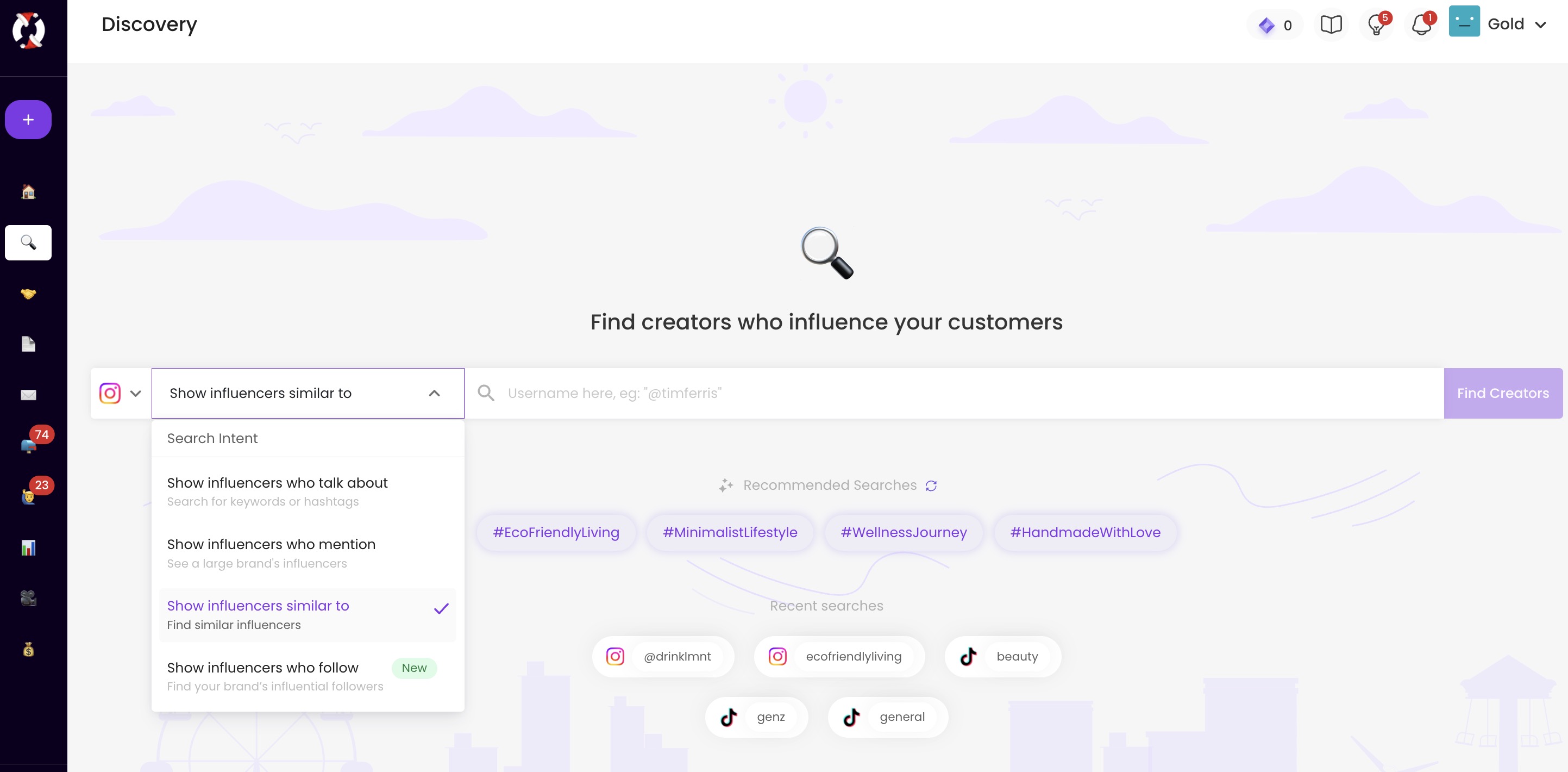
“We take our best-performing influencers, drop them into SARAL, and it finds 100+ similar creators in minutes.” — Dan Stevenson, Influencer Marketing Lead, Spacegoods
Gifting is where influencer programs quietly become unscalable, because it’s operationally dense. Each creator adds a set of small tasks, and when those tasks aren’t designed as a system, they compound into constant interruptions.
Treat gifting like an assembly line.
Most teams already follow the same basic flow, even if it lives only in their heads:
Outreach → acceptance → address → order → follow-up
The goal is to remove friction from each step.
Address collection is the easiest place to tighten things up. Don’t ask for shipping details, sizes, or product preferences over email or DMs. It creates unnecessary back-and-forth and increases the chance that something gets missed.
👉 Use a form to collect everything in one place. Sizes, addresses, product choices, notes. When the information arrives complete, orders don’t stall.
Shipping works better when it’s batched. Sending gifts the moment an address comes in feels responsive, but it fractures your day.
👉Process all shipments on one or two fixed days each week. That turns a constant drip of work into a contained task and reduces errors.
Follow-ups should be treated the same way.
👉Decide upfront when you check in after delivery and what that message looks like. When follow-ups run on a defined cadence, creators don’t fall through the cracks, and your team doesn’t rely on memory to keep things moving.
One of the biggest reasons small teams burn out is that they treat every influencer the same. Everyone gets gifted. Everyone is expected to post. Everyone quietly disappears after one piece of content. The work keeps repeating, but the program never compounds.
Scaling requires a simple progression:
Gifting → Ambassador → Elite
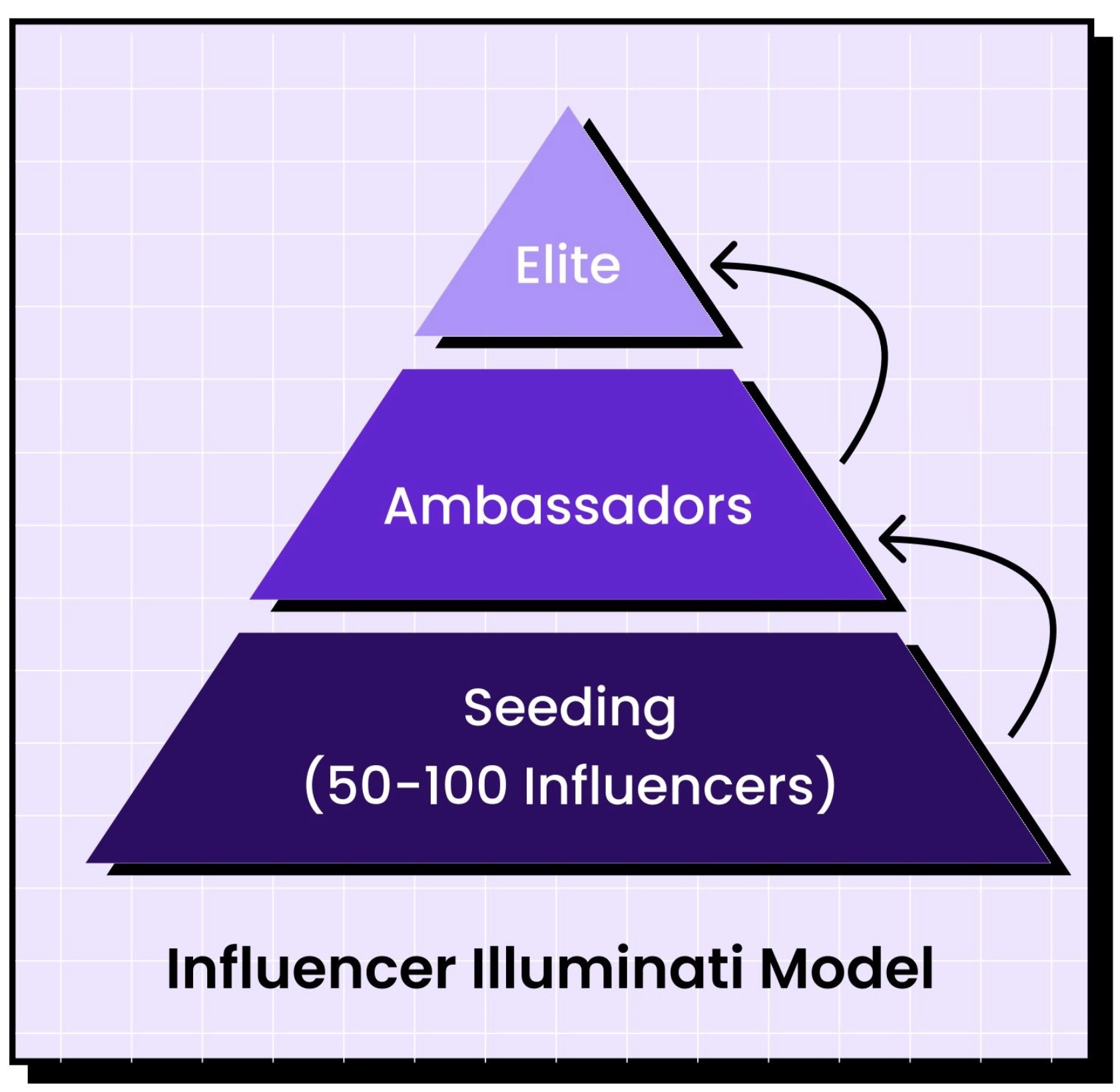
Gifting is where everything starts. It helps you test interest. You see who replies, who actually posts, and whether their audience reacts well. The problem is that gifting on its own doesn’t build momentum. Every time you send a product, the relationship resets.
That's why you advance people who posted about your product, and are willing to post further for commission on sales to the affiliate stage. It gives creators a reason to keep talking about the product without you needing to renegotiate every post. This is where repeat posting starts to happen.
“Send someone a free product once, you might get one post. Turn them into an affiliate with commission potential, and you get posts for months.” — Dan Stevenson, Influencer Marketing Lead, Spacegoods
From there, a smaller subset earns elite status. These are creators who post consistently, drive sales, and understand the brand. They get custom deals with you where you might offer a fixed pay for a certain number of posts, or commission + some extra perks.
When creators move up over time, you stop starting from scratch with every collaboration. The same creators post again, create better content, and need less hand-holding. Over time, you spend less effort finding new people and more time working with creators who already understand your brand.
Writing every message from scratch feels thoughtful, but it doesn’t scale. You end up spending a lot of time thinking of the ‘right’ response.
The solution is that whenever you find yourself writing a message for a situation you’ll likely face again, don’t treat it as a one-off. Write it properly once, then save it so you can reuse it the next time the same situation comes up.
Build an email template where only a few details change each time, and the rest stays the same.
Here are some scenarios for which you can create email templates:
Templates aren’t meant to sound stiff or copied. You can always tweak a line or two when needed, so your follow-up messages still feel personal without taking too much time to write.
In SARAL, you can create and save your own email templates.
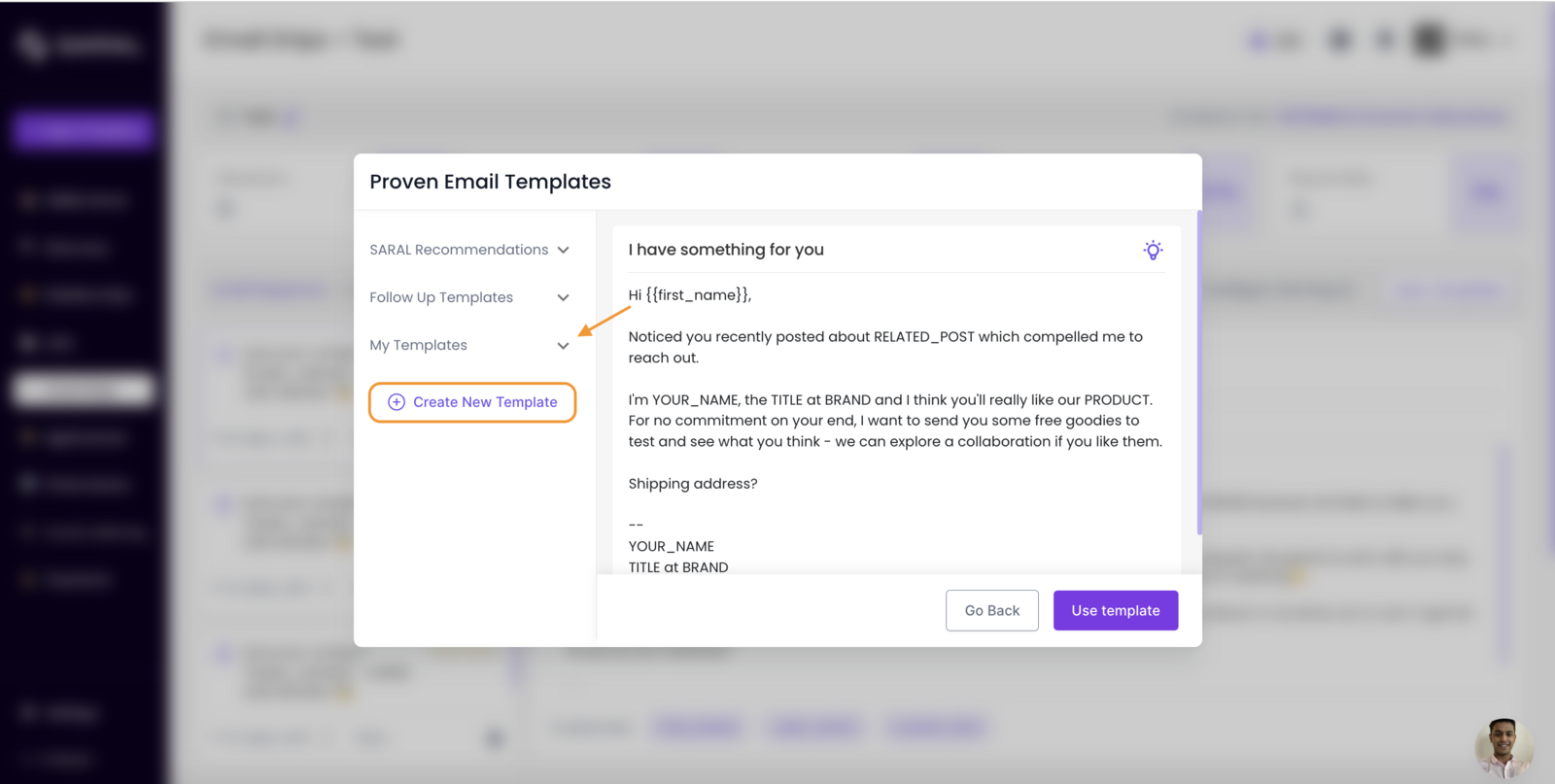
Once a template is saved, you can reuse it across outreach, follow-ups, and one-off emails, which saves time, keeps your messaging consistent.
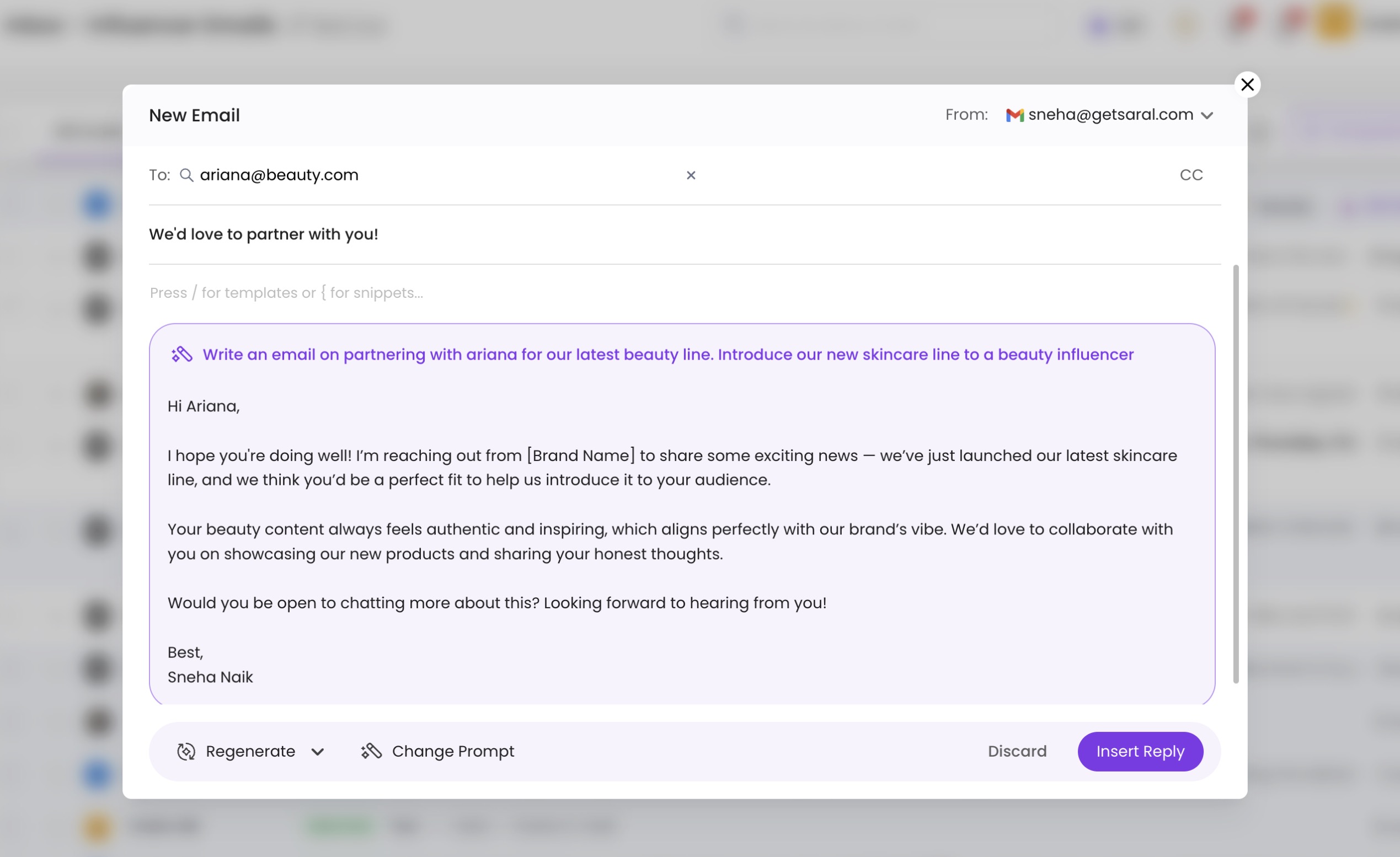
And if you need help, our AI companion, SIA, is integrated into the email editor. Just tell her what you want to say and she'll create messages that sound like you.
If you’re working with 100 influencers and lose 50% every month, you need to bring in 50 new ones just to stay at 100. That means 50 new conversations, 50 addresses to collect, 50 shipments, and 50 people who need context on your brand. All that work just to stay at the same number of influencers.
But let's say you retain 80% of your creators every month. You add 50 new influencers that month. You don’t end at 100. You end at 130.
Next month, if you retain 80% of those 130, you keep 104. Add another 50, and you’re at 154. The month after that, you’re past 170.
That's the power of retaining your existing influencers.
Influencers stick around when the relationship offers more than a free product or a commission. Those things are easy to match. Any brand can offer a higher payout. What’s harder to replace is the feeling of being part of something, having access, and knowing there’s a longer-term upside to staying involved.
Here are some ideas to nurture your creators so they stay with your brand:
All of this can sound like more work at first. More messages. More touchpoints. More things to remember. In practice, it only feels heavy when the basics are still manual.
Once repetitive tasks are automated, you'll have more space to think about the things that are needed to build relationships.
Let's see which tasks to automate vs. which ones you should do yourself.
Work that shapes relationships, judgment, and creative quality should never be automated. Always involve a person in such tasks:
Work that follows a pattern should never rely on human effort. This is what you should automate first.
When you get this balance right, your team stops drowning in ops and starts spending time on the high-impact pieces that make the entire program compound.
Many teams try to automate by stitching together spreadsheets, inboxes, forms, and point tools. It works at a small volume, then gets messy fast. Data lives in too many places. Things slip. Reporting becomes manual again. You end up solving surface-level problems while creating new ones underneath.
This is where an all-in-one influencer marketing tool like SARAL is helpful
It was built so that a 1–2 person team can behave like a 5–10 person team.
“At my previous company, managing 300 affiliates required a team of four. Now at because of SARAL, I manage 1000+ influencers with two people, and both are part-time.” — Dan Stevenson, Influencer Marketing Lead, Spacegoods
The real impact shows up in how time gets reallocated.
“Rather than focusing on codes, links, tracking, and shipping, we can now focus on strategy, nurturing top creators, and finding strong whitelisting content.” — Kelsey Knight, Chief Commercial Officer, Slumberkins
That shift is what makes scale possible without burnout.
SARAL is built to handle the repeatable, operational layer of influencer marketing in one place.
With SARAL, you can:
When systems carry the volume, people can focus on the work that makes the program better over time. That’s what turns influencer marketing from something you manage into something that compounds. Book a demo with SARAL here.
Sign up for a 7-day email course on the unique "Predictable Influence" strategy used by top brands like Grüns, Obvi, Tabs Chocolate.

If ditching the randomness of influencer campaigns and building a predictable, ROI-first influencer program sounds like a plan. Consider talking to our team!
