


Ready to drive incremental growth with influencers?
If ditching the randomness of influencer campaigns and building a predictable, ROI-first influencer program sounds like a plan. Consider talking to our team!


Forensics
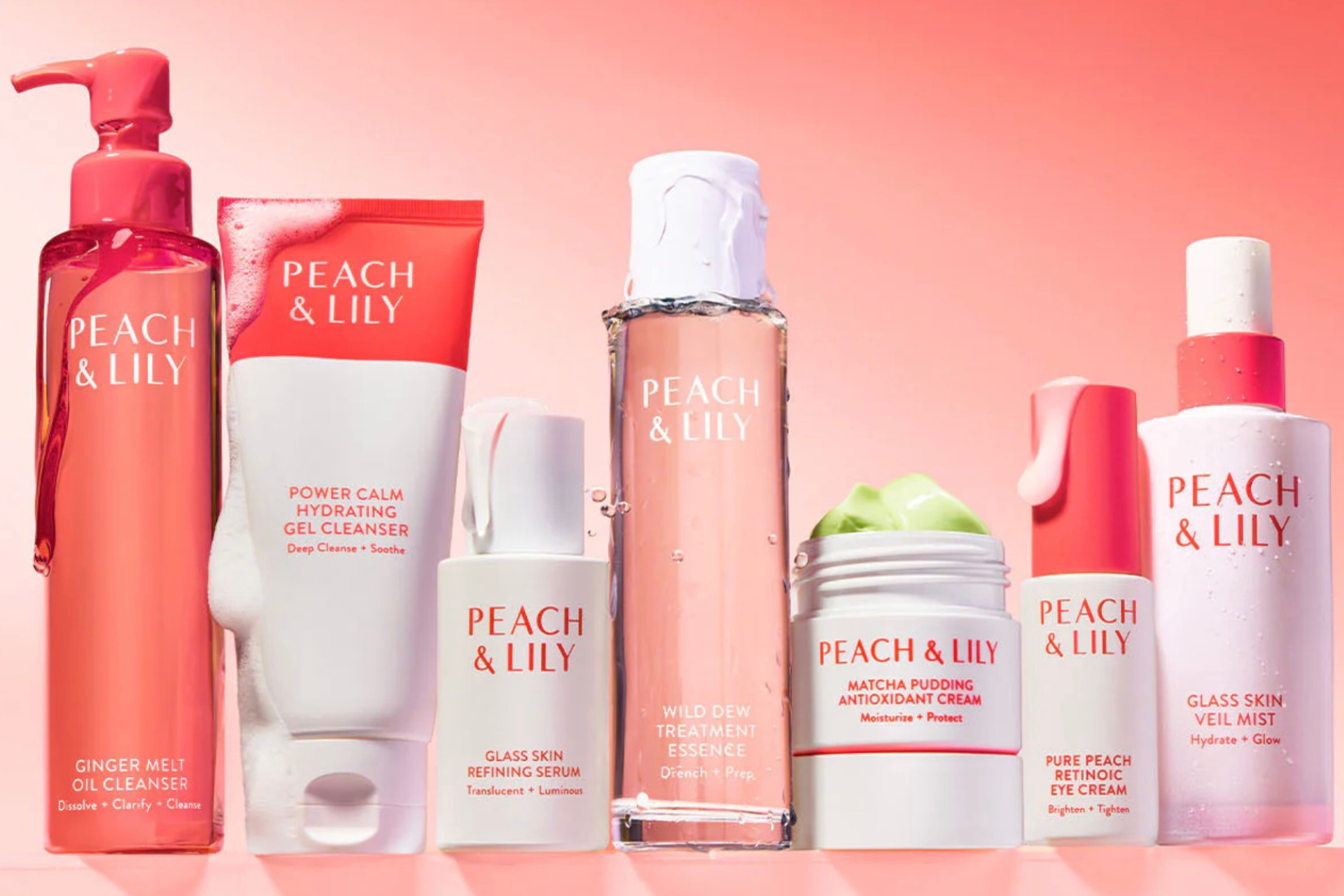
A breakdown of Peach & Lily’s influencer marketing to find out practical steps any beauty or wellness brand can use to build trust, drive sales, and scale influencer partnerships.

Contents
Skincare, supplements, and wellness products all deal with the same thing: people need time to trust them. You can’t tell if something works after a day or two, so most shoppers wait. They watch the product show up again and again in someone’s routine. They're not an impulse purchase.
That’s why influencer marketing in these categories works differently. It can’t rely on reach alone. It works on repeated exposure.
Peach & Lily has systematically built an influencer strategy that creates repeated exposure to their products, teaches people how they work, uses launches that feel playful and surprising, and makes smart use of creator content instead of treating it like a one-off post.
Peach & Lily is a U.S. skincare brand influenced by Korean beauty. It has an estimated annual net sales of more than $100 million. The brand sits in the mid-sized, prestige-but-not-luxury bracket and has grown through consistent influencer visibility on TikTok and Instagram.
This article breaks down how Peach & Lily's influencer marketing strategy works and what you can take from it for your own brand.
In mid-2025, Peach & Lily created a skincare product but didn't send the actual product samples to creators to launch it.
Their “mystery” launch had creators talking about their product before they even knew it was Peach & Lily behind it.
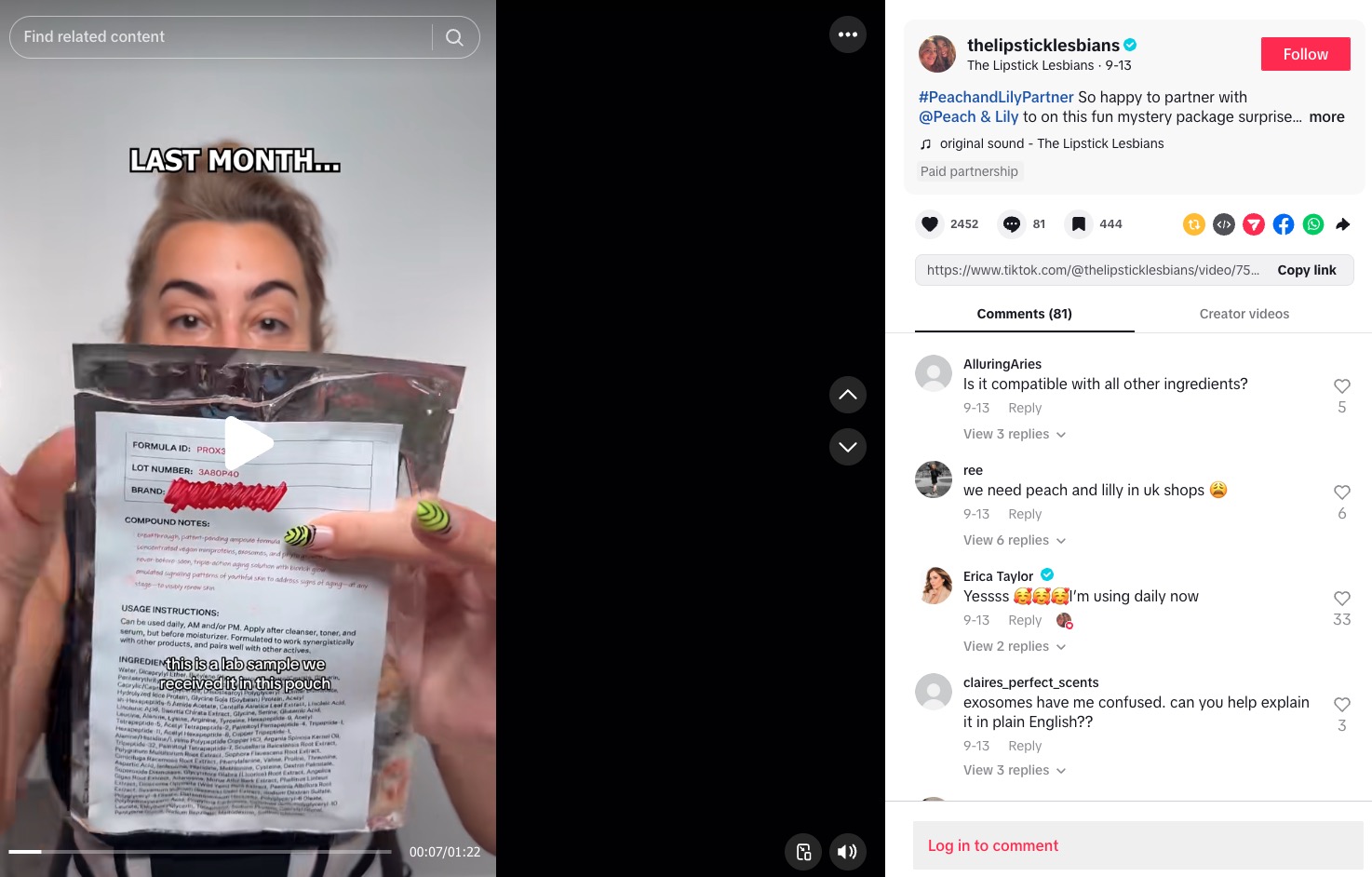
They partnered with an agency to stay anonymous and sent unbranded silver pouches and bottles labeled only with a formula ID and ingredient list of the product.
The idea was to let creators — estheticians, cosmetic chemists, and skincare influencers — test it freely and share what they thought
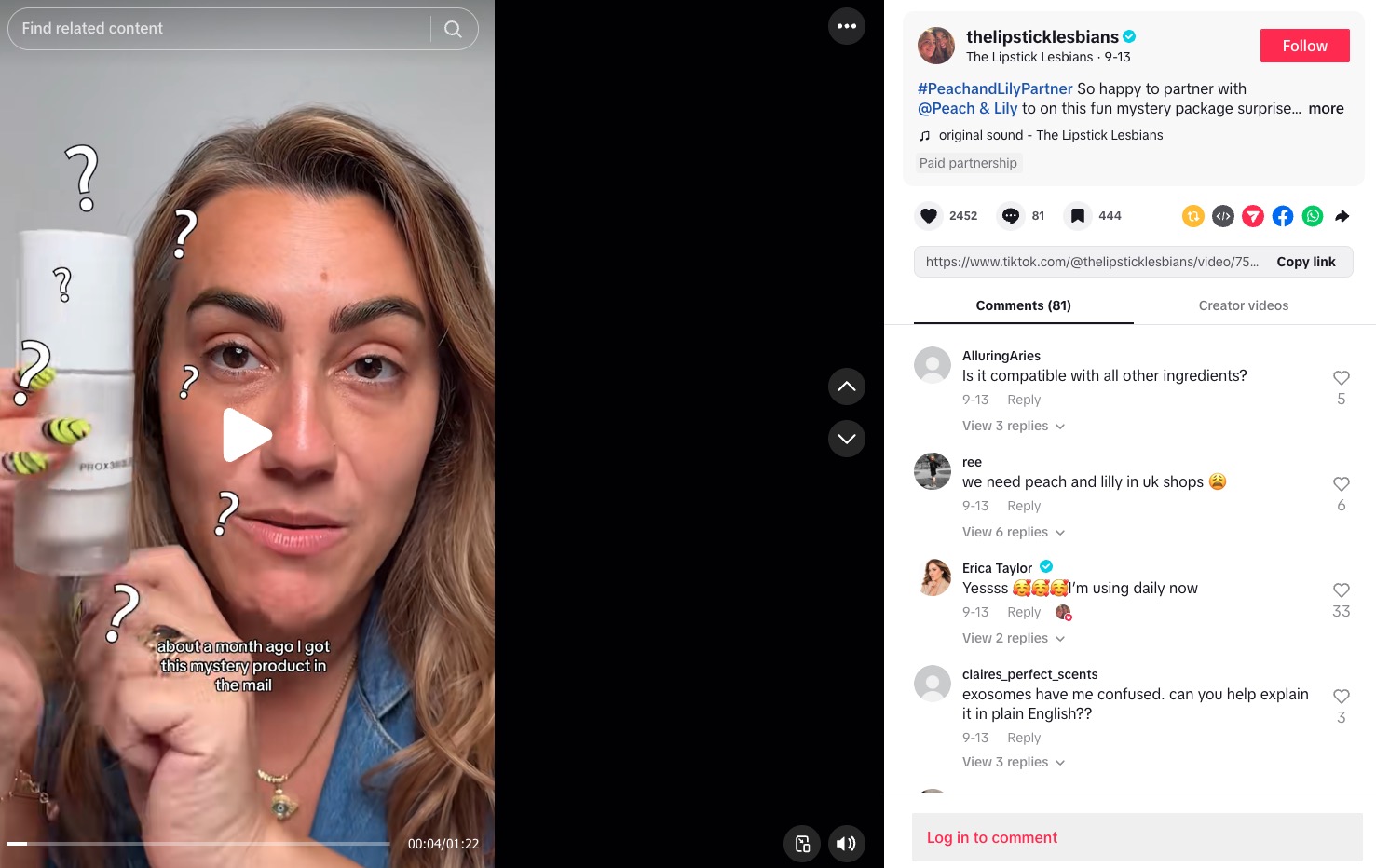
It turned into a guessing game.
Creators posted TikToks and Reels, calling it “the mystery serum,” praising the results while speculating who made it.
A few weeks later, Peach & Lily invited the same creators to a dinner in New York. The event was intentionally low-key — no obvious branding, just an intimate setup where creators could meet, talk, and continue guessing.
Halfway through, the reveal happened: the “mystery serum” was theirs.
Because every creator in the room had already used and loved the product, their reactions were real — and naturally became the next wave of content.
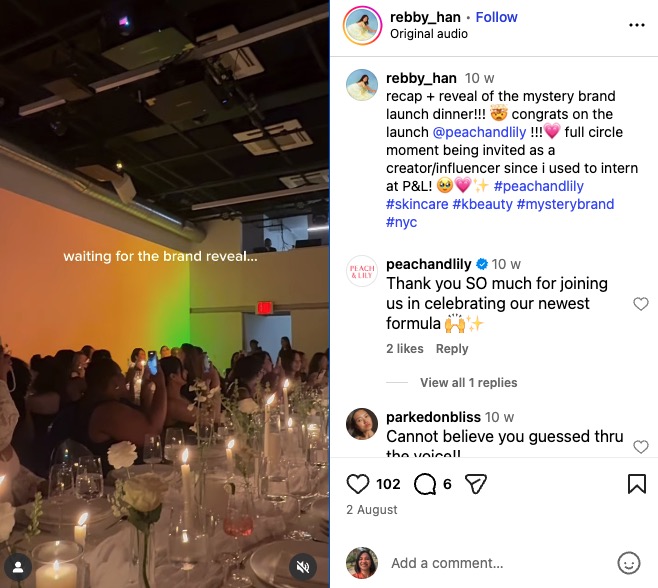
This gave Peach & Lily something most launches struggle to get: two rounds of organic content from the same group of creators.
First from curiosity, then from confirmation.
But the whole impact was harder to measure: the campaign built trust. Audiences believed the product worked because their favorite creators had already tested it before they even knew who made it.
You don’t need a big budget or an event venue to borrow from this playbook.
What matters is the structure of the idea, not its scale.
If you’re a smaller brand:
If you want to stay anonymous during testing, work through a freelancer or consultant who can handle outreach under a neutral name. That keeps the mystery real while protecting your brand’s identity until reveal time.
If you decide to use a similar strategy where you need to coordinate with influencers regularly, things can get messy fast. Emails, DMs, follow-ups, product shipments, it all piles up.
That’s where a tool like SARAL Inbox helps. It keeps every creator conversation, shipment, and tracking link in one clean view, so you can manage your entire influencer program without losing track of who’s posting what.

After the first wave of trust is built, you still need steady visibility. But steady shouldn’t mean “the same post over and over.” Peach & Lily avoids that trap by giving creators room to show the products in different ways. This keeps the brand in people’s feeds without making it feel forced. Here are the main kinds of posts their creators tend to make.
Each type plays a role in building credibility while keeping the brand visible week after week.
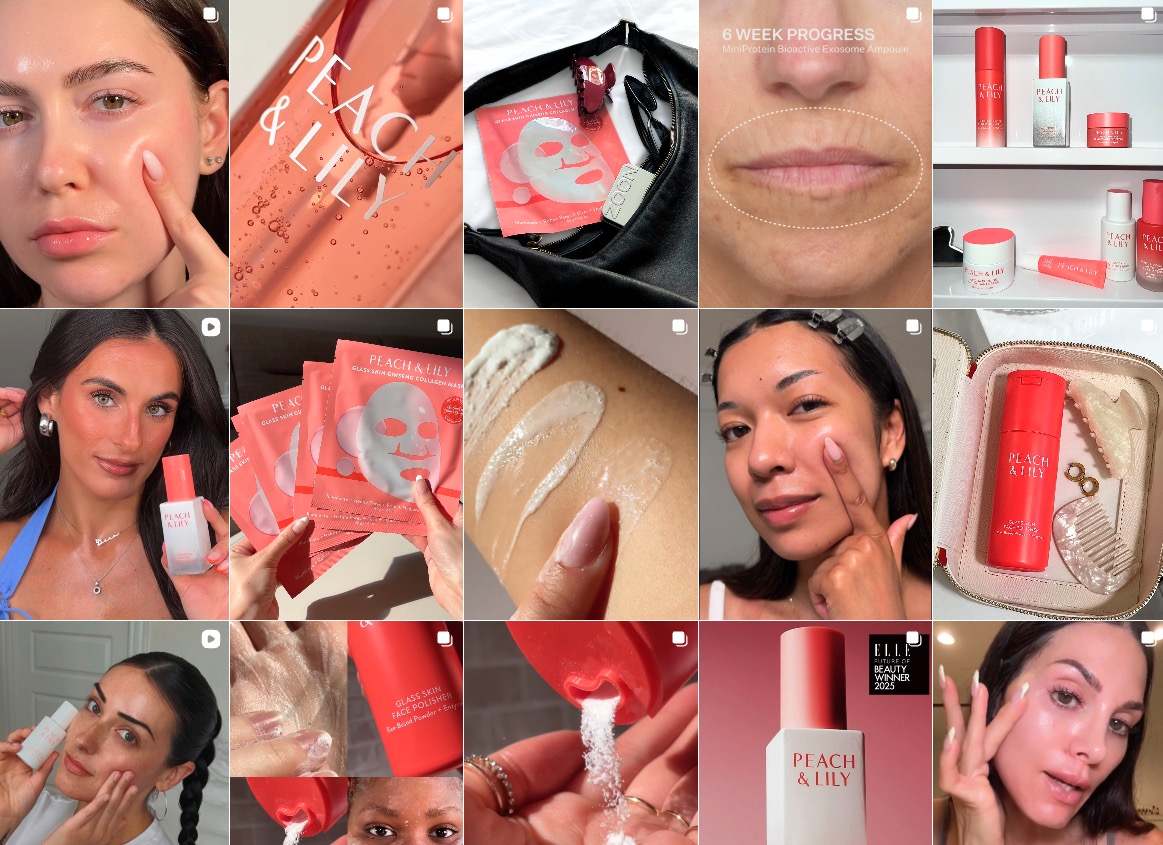
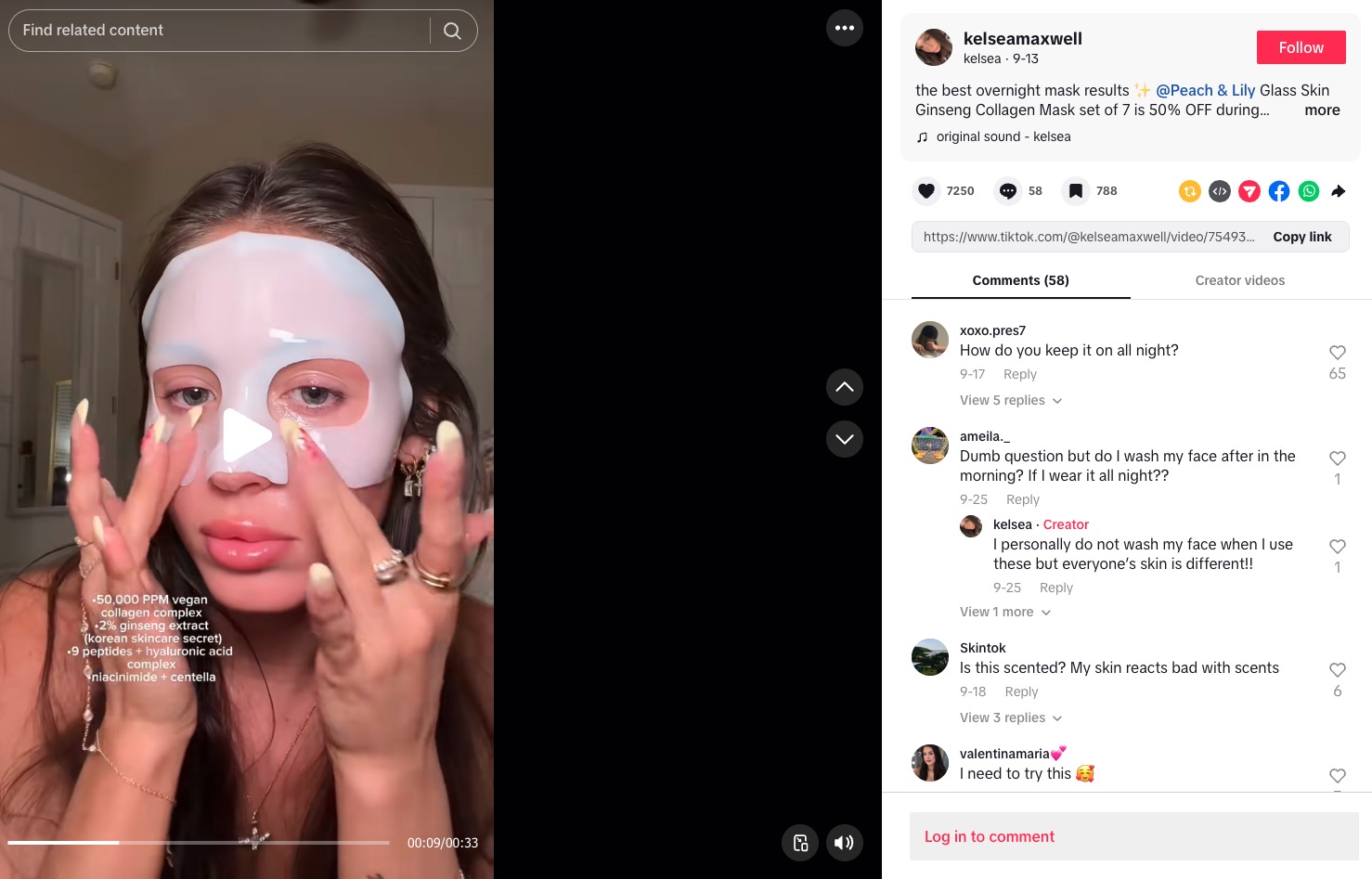
Creators break down what’s inside the product (like niacinamide, snail mucin, or peptides) and talk about what each ingredient does for the skin.
This kind of content builds trust, because followers see creators actually understand what they’re using.
👉 When you have a product that needs explanation, don’t leave it up to chance.
Give creators simple facts or talking points (not scripts) so they can teach people in their own voice.
This approach works outside of beauty, too.
For example:
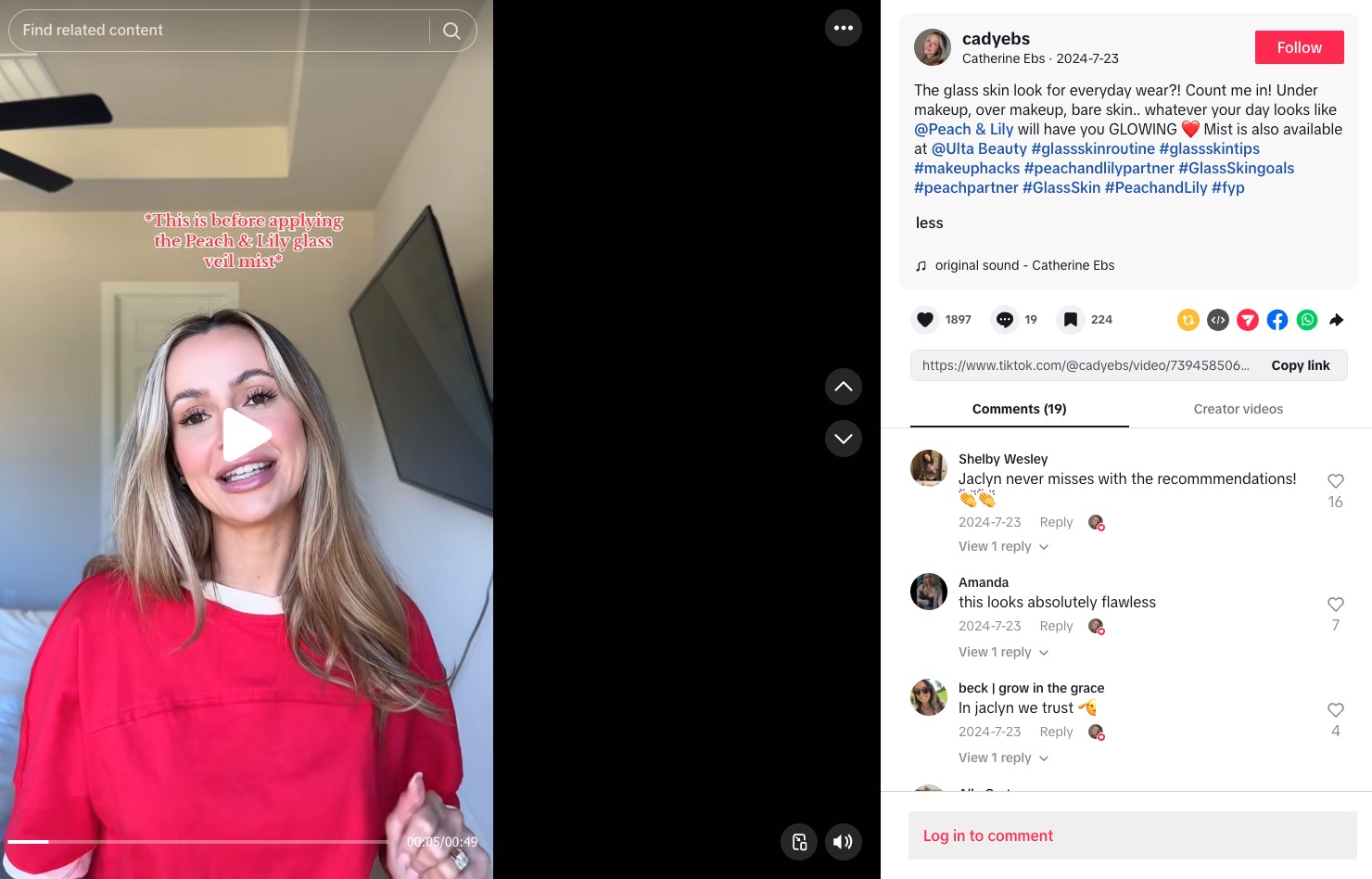
Creators show their skin before using a Peach & Lily product and then again after a few weeks.
This format punches above its weight because it solves the biggest problem categories like skincare and wellness face: belief lag.
People may like your product. They may save the post. They may think about trying it. But they don’t act until they see someone else get a real result. That’s often what pushes someone from curiosity into checkout.
👉 If your product works through repeated use — a habit-builder, something that needs time — ask creators to document the journey, not just the final outcome. Small check-ins feel more believable and show how the product fits into real routines.
Peach & Lily creators often share when a sale goes live or when a bundle is back in stock.
These don’t feel pushy because the creator already uses the product — the sale is just an excuse to talk about it again.
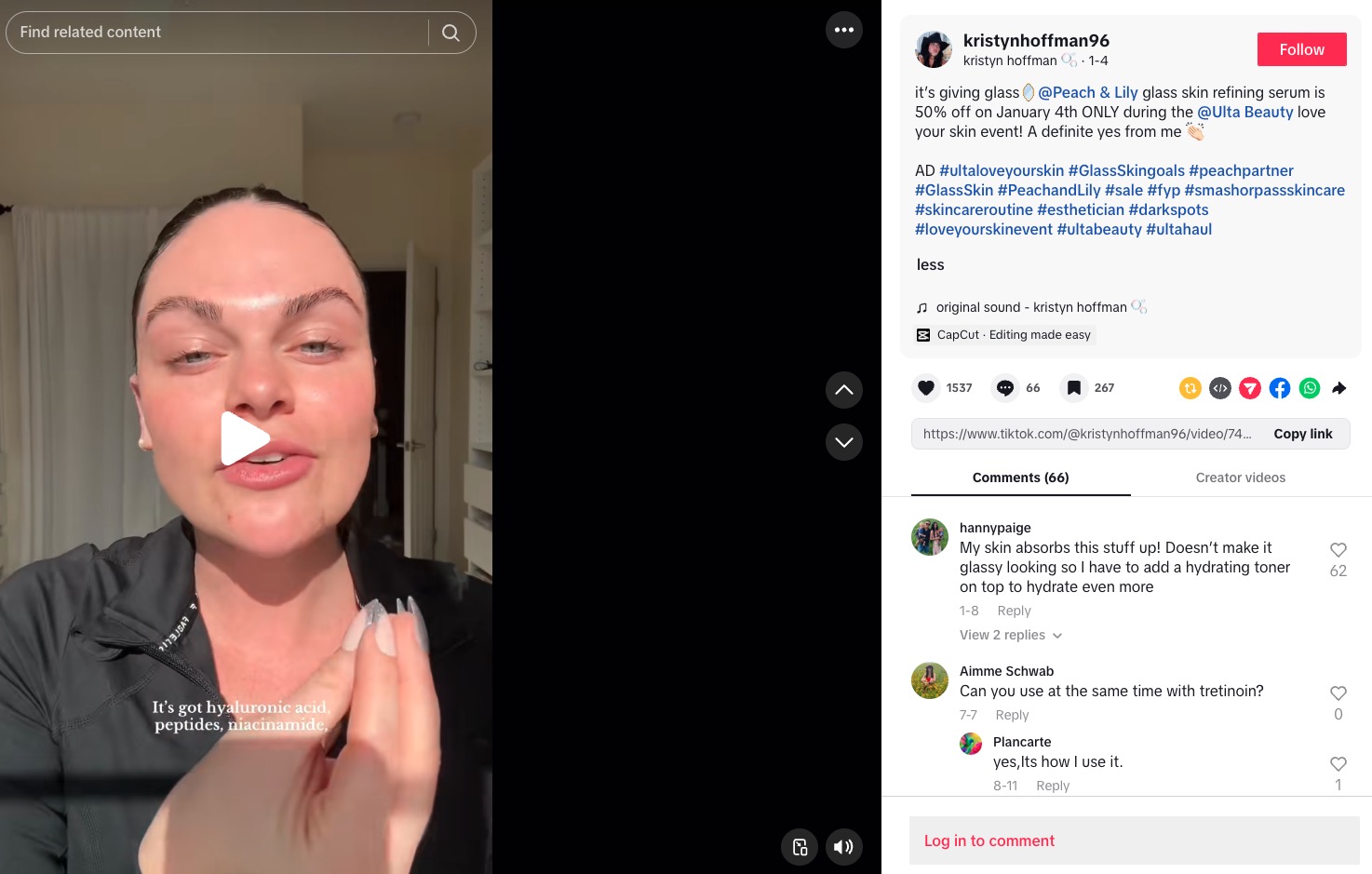
These posts usually include calls to action, discount codes, or limited-time offers.
👉 A promo works only when it comes from someone with existing trust. Instead of paying random creators to announce discounts, work with people who already feature your product naturally. A sale becomes a “tip,” not a pitch.
When Peach & Lily launches in stores or runs in-store promos, creators often film a quick visit: what aisle the product sits in, what the shelf looks like, and whether it’s on offer. This kind of content feels almost mundane, but it moves revenue.
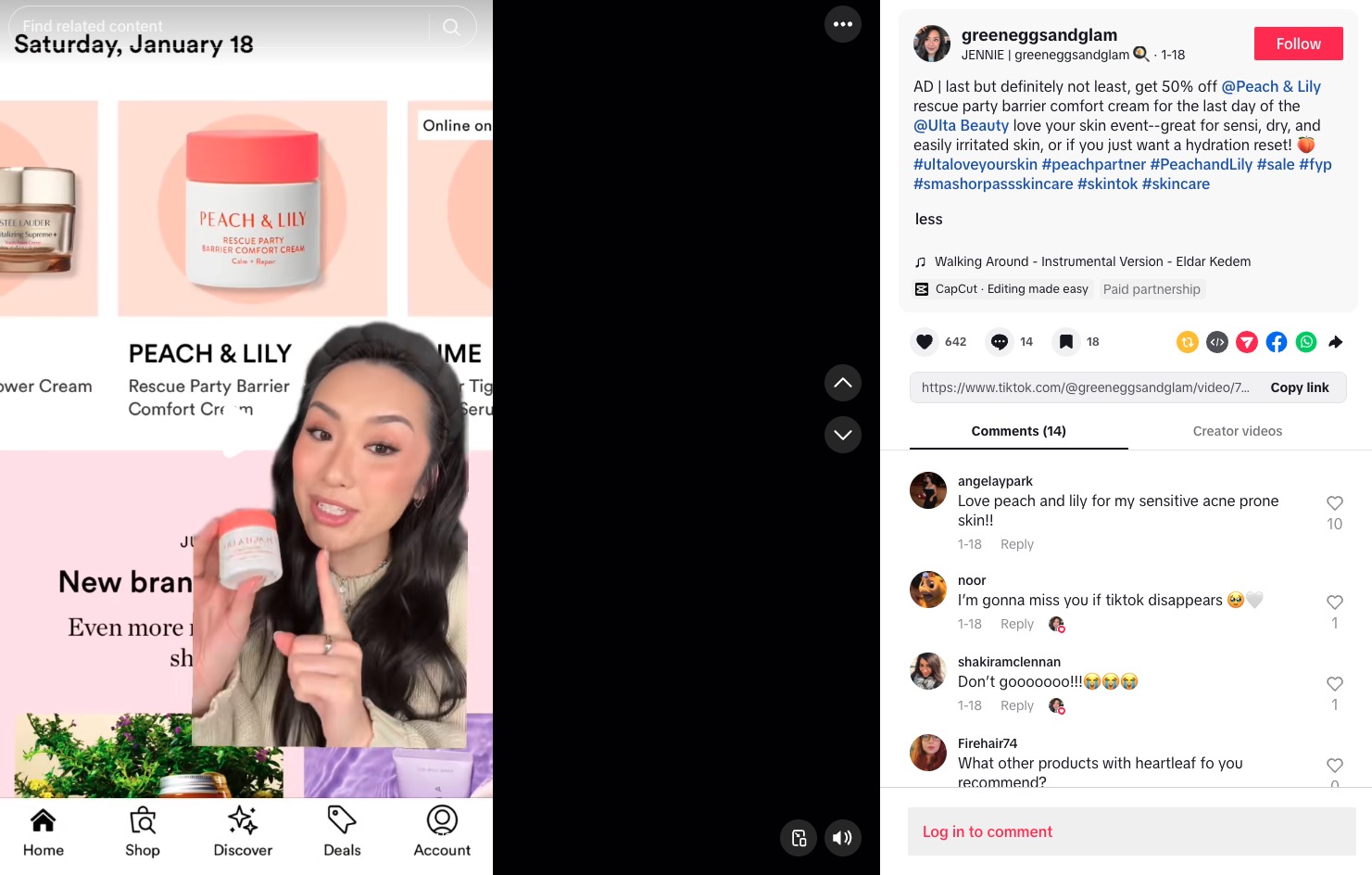
Shoppers are more likely to look for something they just saw a real person find. And retailers notice when creators tag their stores. As store-visit posts increase sales, it helps the brand keep (and grow) its place in the stores.
Good influencer content doesn’t “just happen.” If you don’t plan it, you’ll end up with ten unboxing videos that all look the same and don’t actually move sales.
You need to engineer variety. That happens when you're clear about two things:
Look at your brand’s biggest gap.
This decision shapes who you work with and how often you post each type.
You don’t want to hand creators a script. Instead, give them everything they need to talk about your product confidently, in their own voice.
For example, for expert creators (like dermatologists or estheticians) you can send a simple ingredient list. You can gently suggest, “If you talk about ingredients, here’s the full list with details.”
Or, for creators promoting retail launches, you can give clear logistics like store name, date, and location. Let them decide how to capture it. One might film a “shop with me,” another might just post a photo in the aisle. Both are useful.
Most brands try to share info with creators using Google Drive folders. It works. Until it doesn’t.
Someone loses the link, someone else doesn’t have access, a teammate accidentally drags a file into the wrong folder.
If you want creators to make better content without chasing files, SARAL has a built-in Resources section for this exact job.
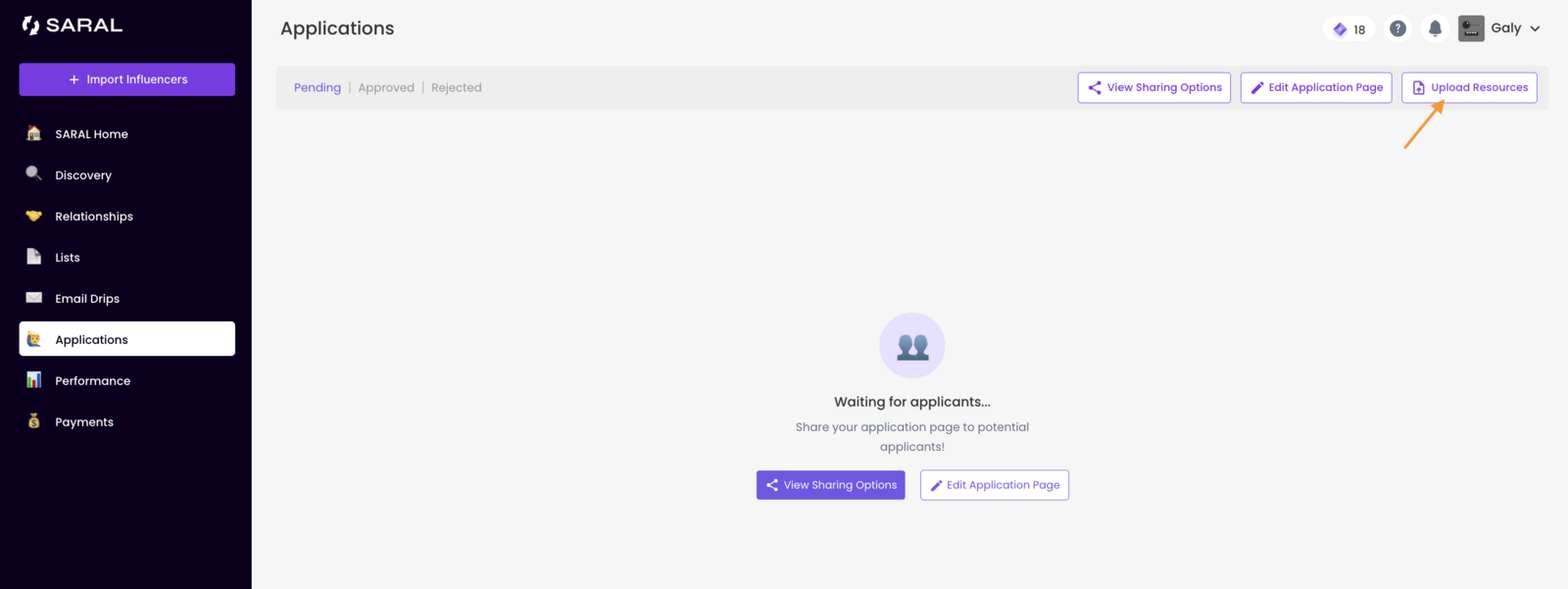
You can keep everything in one place — product shots, logos, ingredient notes, usage guidelines, brand voice examples, top-performing UGC clips — and creators can access it right inside their dashboard.
Peach & Lily doesn’t just stop at sending gifts and waiting for brand mentions. They often re-share the content influencers create on the brand's Instagram or TikTok accounts.
Sometimes they tag the creator, sometimes they don’t. It depends on the type of collaboration and what was agreed on beforehand. But either way, it helps the brand keep a steady flow of authentic content without having to produce everything in-house.
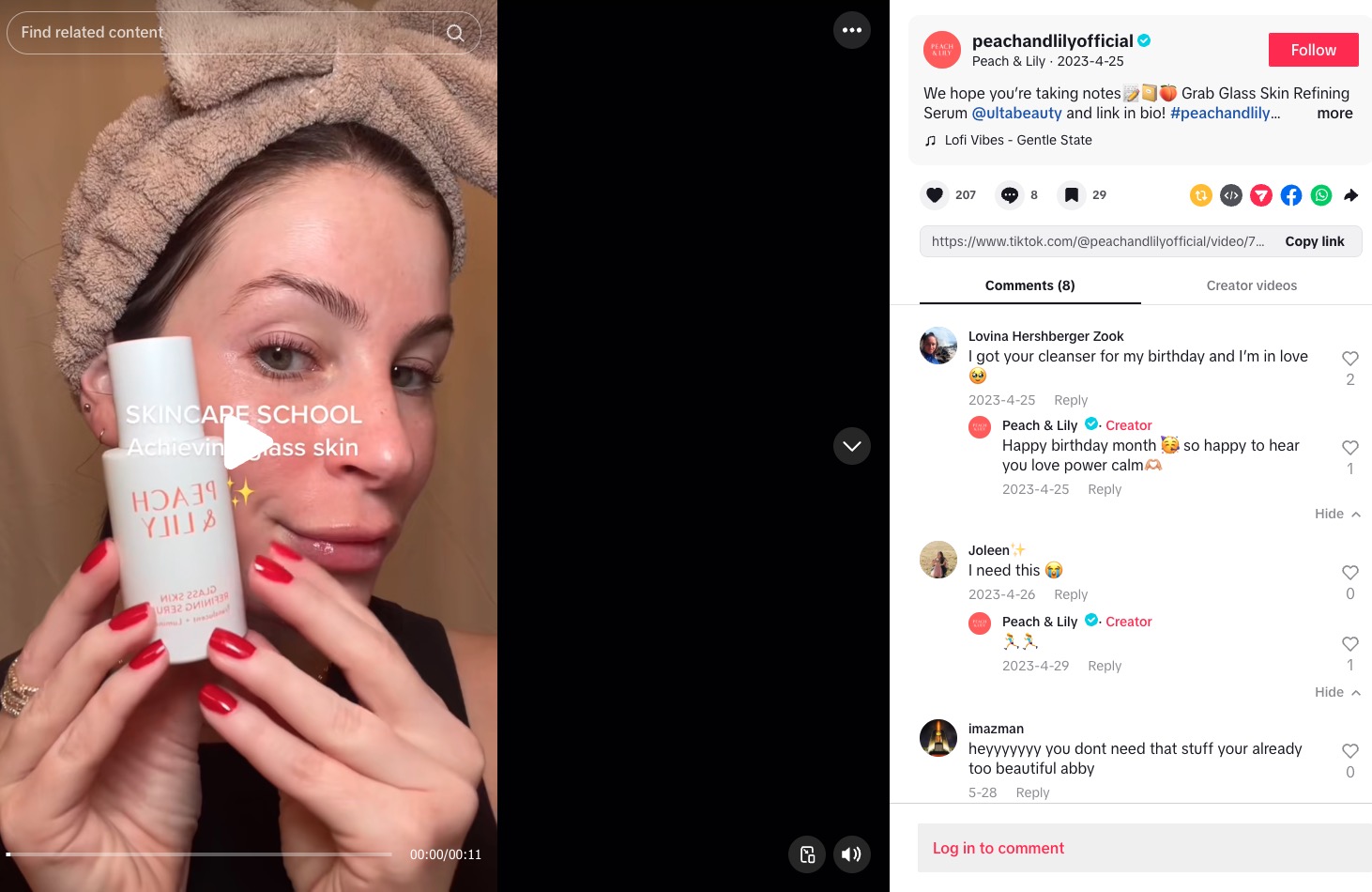
They also turn influencer content into themed collections or highlights. A good example is their “Science School” series — a collection of videos where creators explain the science behind Peach & Lily products. These are all influencer-generated content pieces.
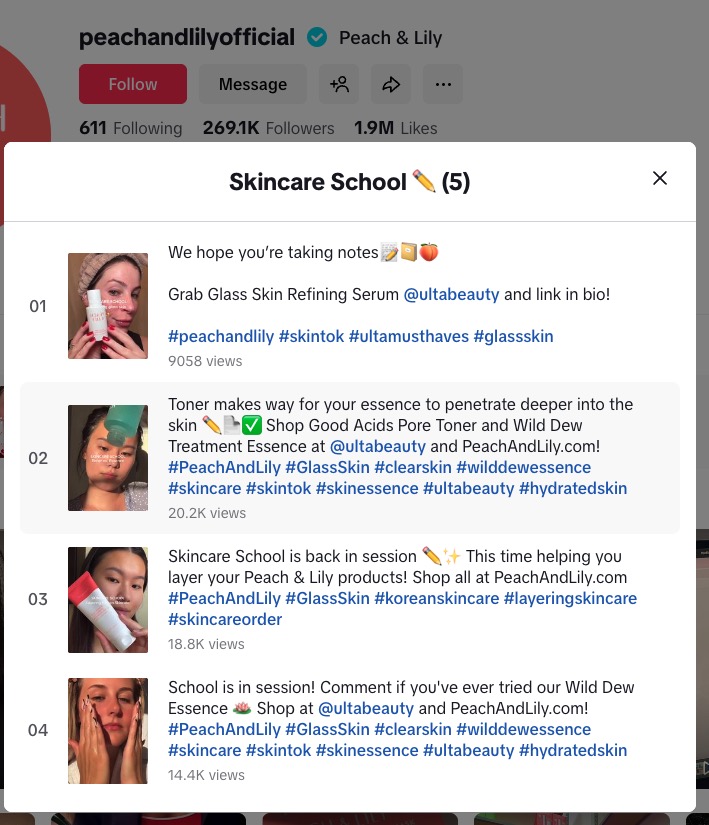
This approach keeps the brand’s socials looking credible, consistent, and community-driven, even on weeks when they are not producing their own content.
If you want to use creator content the way Peach & Lily does, the key is to make reposting and organizing a system, not an afterthought.
Start with a simple structure:
Peach & Lily can run complex campaigns like mystery launches, retail pushes, or education series. And looking at the brand's ever-increasing partnership with influencers, and the success of the brand, influencer marketing seems to be working for them
But most brands aren’t set up for that. They want to run bigger campaigns, but the operational side eats all their time: chasing replies, copying addresses, sending assets, updating sheets, reminding creators about timelines, etc.
This is where SARAL helps a lot of teams. It pulls everything you need from finding influencers to showing the ROI and sharing assets with them into one place. Brands use SARAL because it gives them the structure to scale creator programs without doubling the team or putting more budget into hit-and-trial strategies.
If you want to see how other brands use SARAL to run everything from gifting to complex launches, book a call with our team here, and we can show you.
Sign up for a 7-day email course on the unique "Predictable Influence" strategy used by top brands like Grüns, Obvi, Tabs Chocolate.

If ditching the randomness of influencer campaigns and building a predictable, ROI-first influencer program sounds like a plan. Consider talking to our team!
