


Ready to drive incremental growth with influencers?
If ditching the randomness of influencer campaigns and building a predictable, ROI-first influencer program sounds like a plan. Consider talking to our team!


Forensics
Find out how this beverage brand used influencer marketing to get into 1.9k+ Target stores and raise $24.5M, all without massive ad budgets or constant new launches.

Contents
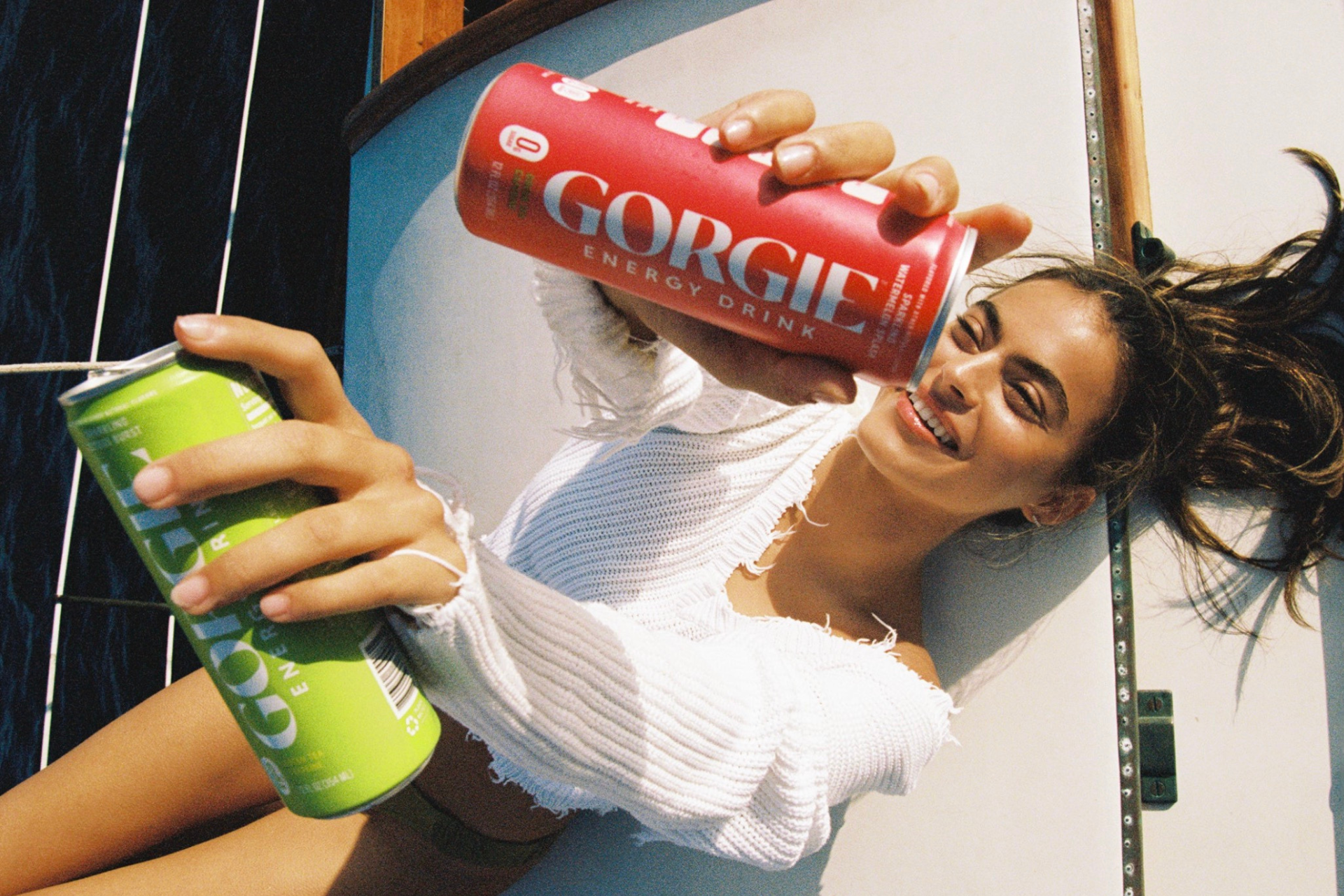
Entering the energy drink category isn’t an obvious move. It’s crowded, has long-standing players, and plenty of brands with big budgets and shelf space already locked in. Still, Michelle Cordeiro Grant decided to launch Gorgies, a wellness-focused energy brand.
In under two years, Gorgie expanded from direct-to-consumer into more than 1,900 Target stores, raised $24.5M in Series A funding, and reported fivefold year-over-year growth.
What’s especially notable is how that growth was supported.
The brand didn’t rely solely on paid ads or retail announcements. Influencer marketing played a central role across different stages of growth, from launch, retail expansion, to ongoing brand awareness.
In this article, we’ll break down some of the influencer marketing strategies Gorgie uses to drive growth without relying heavily on expensive ads. You’ll also find clear, practical takeaways you can apply to your own influencer program, especially if you don’t have endless SKUs or big launch budgets to work with.
The influencer program landing page is a dedicated page designed to attract and convert creators who want to work with the brand. It creates a steady stream of inbound interest. That reduces how much manual outreach the team needs to do. And thus plays an important role in how the brand scales creator partnerships from a few to thousands of creators.
Gorgie's influencer landing page is built like an invitation rather than an application.
.jpg)
Language like “join the crew” frames the program as a group where you’re welcome if you fit. That increases interest from creators who might not call themselves “affiliates” but would happily make content if the brand relationship feels fun and aligned. It implies there’s a group, a vibe, and a closer relationship with the brand.
The page also answers the questions creators usually have but don’t ask out loud. What’s in it for me? How serious is this? Will anyone actually respond?
Commission, perks, direct access to the team, and the possibility of having content boosted are all mentioned here, without turning the page into a long list of rules.
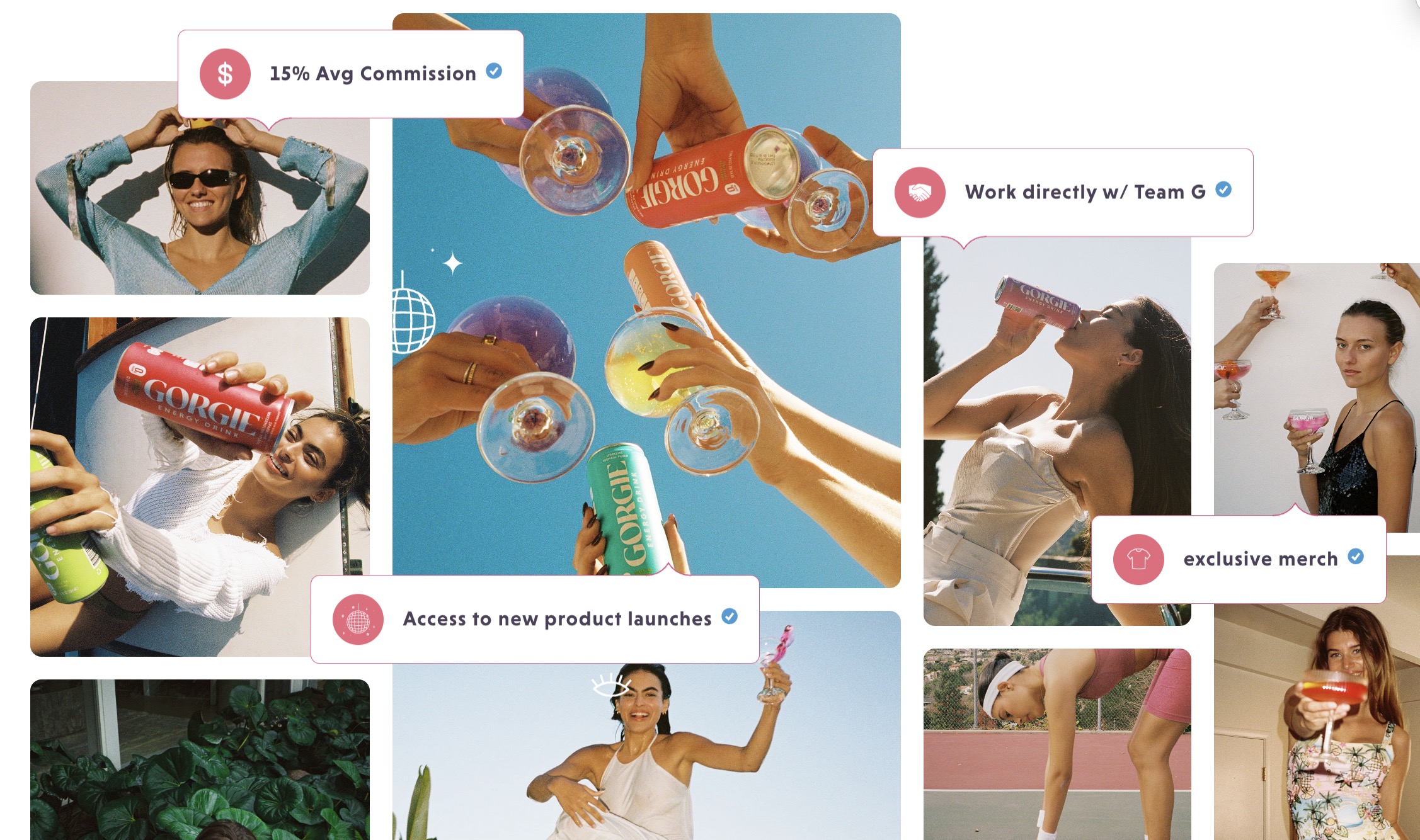
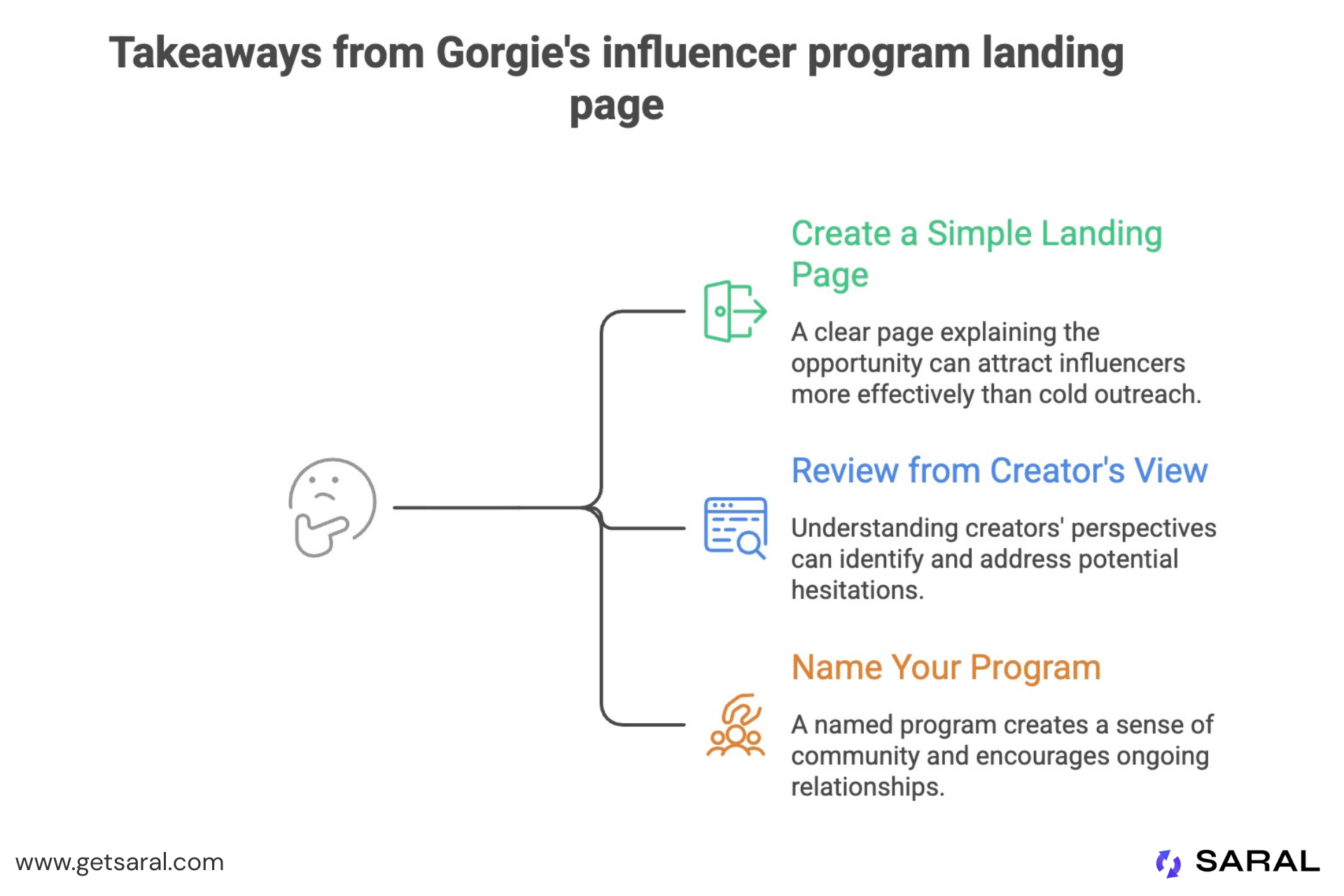
What stands out is what the page deliberately avoids. There’s no long list of posting requirements, deliverables, or rigid rules spelled out upfront. That choice lowers the pressure for someone considering the program. The real filtering happens later, through the application and follow-ups, instead of turning people away upfront with heavy guidelines.
If a brand doesn't have a lot of SKUs or constant new launches happening, it can be repetitive for the influencers to keep posting about the same thing. Creators struggle to find new angles, and audiences start to tune it out.
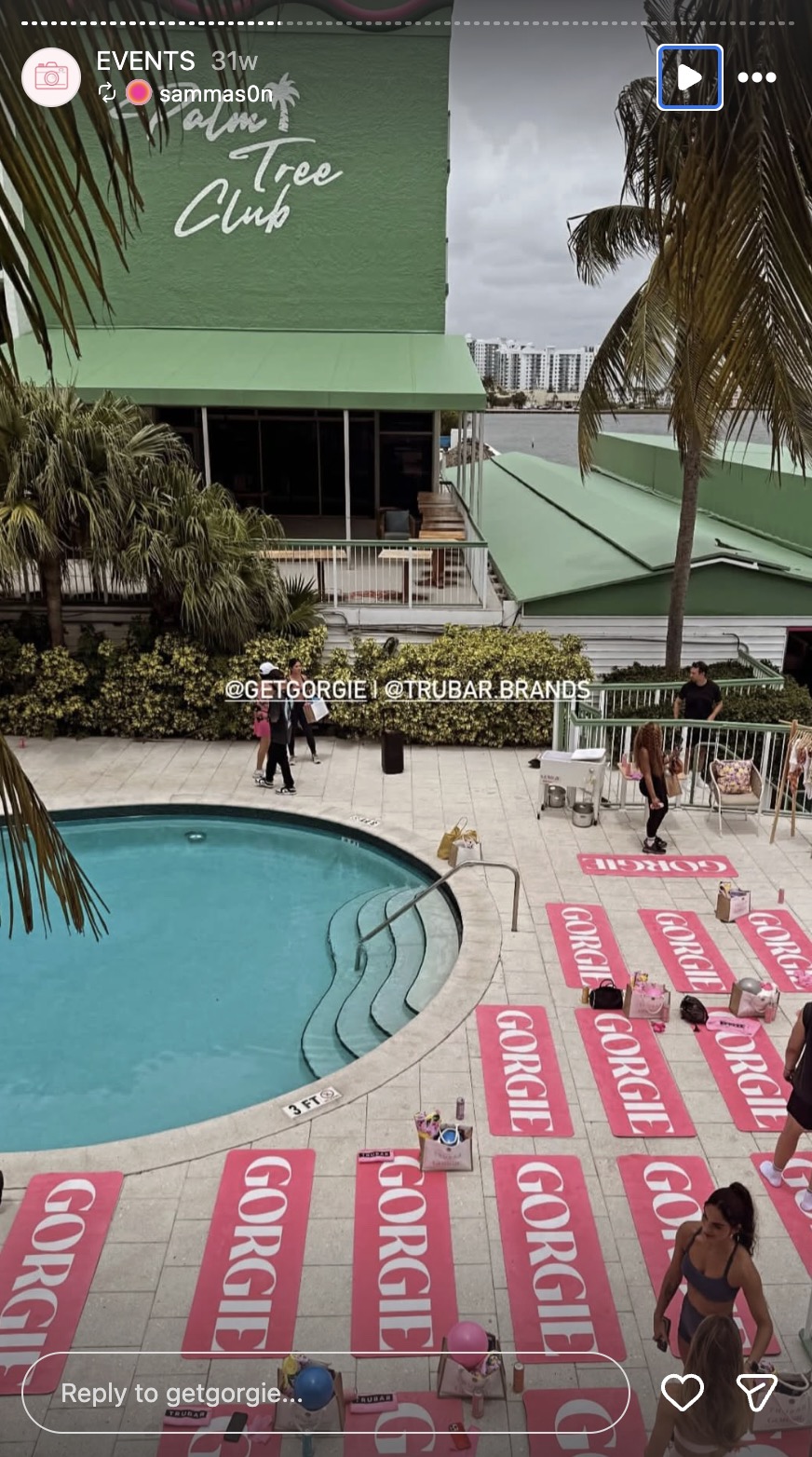
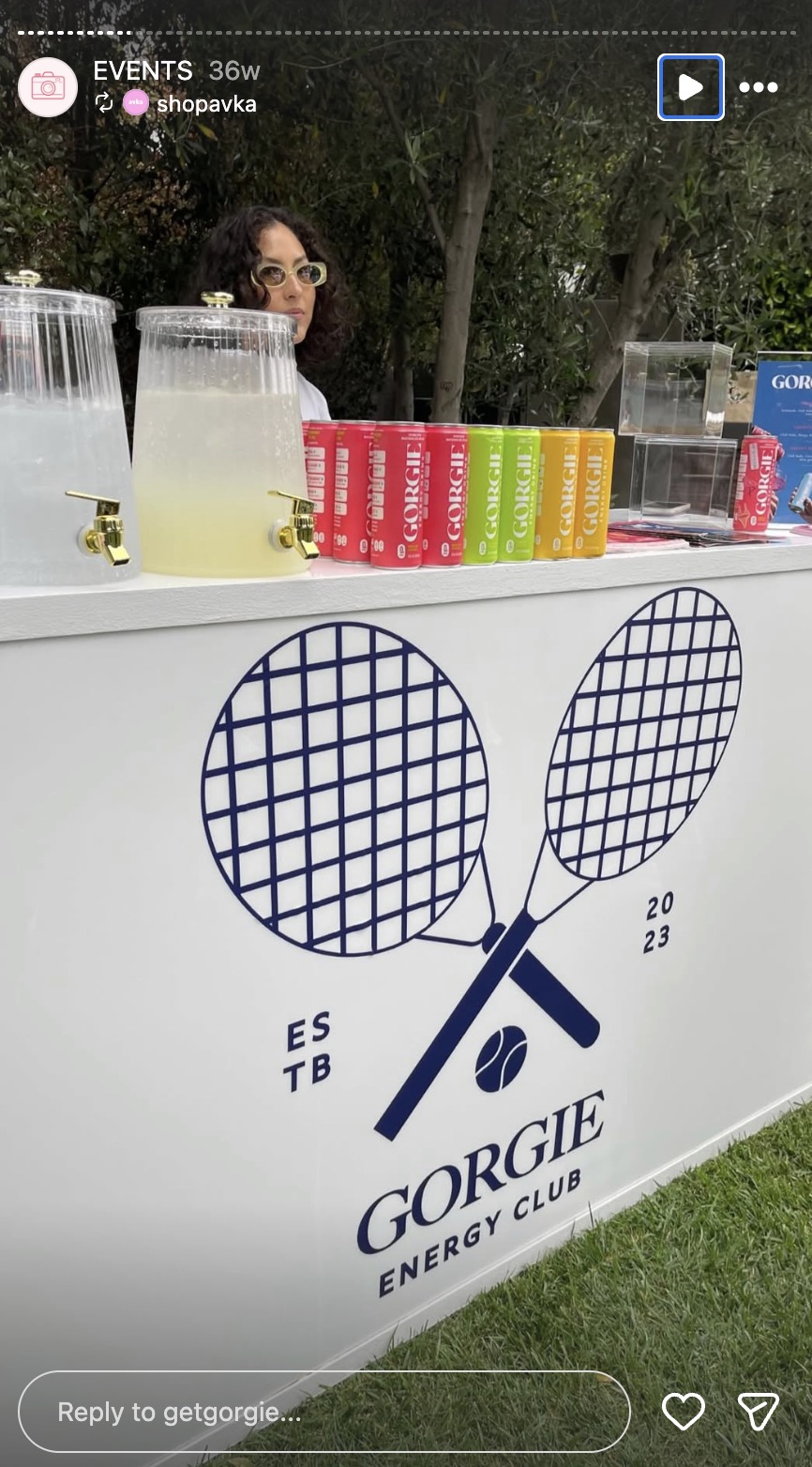
Gorgie solves this by celebrating with small events or hosting influencers.
For example, they hosted a yoga class by the pool.
A tennis-themed pop-up.
A launch celebration on a boat.
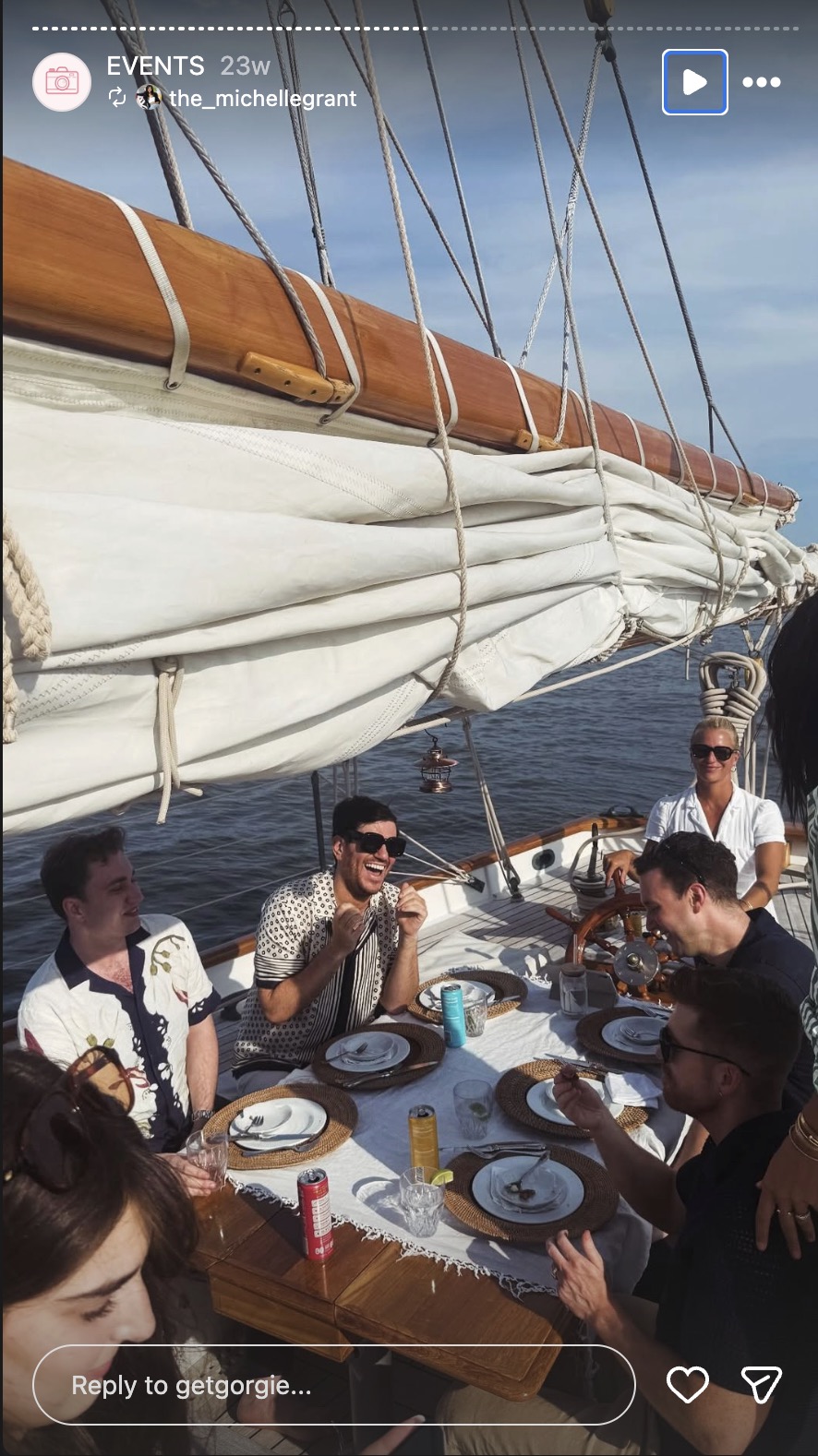
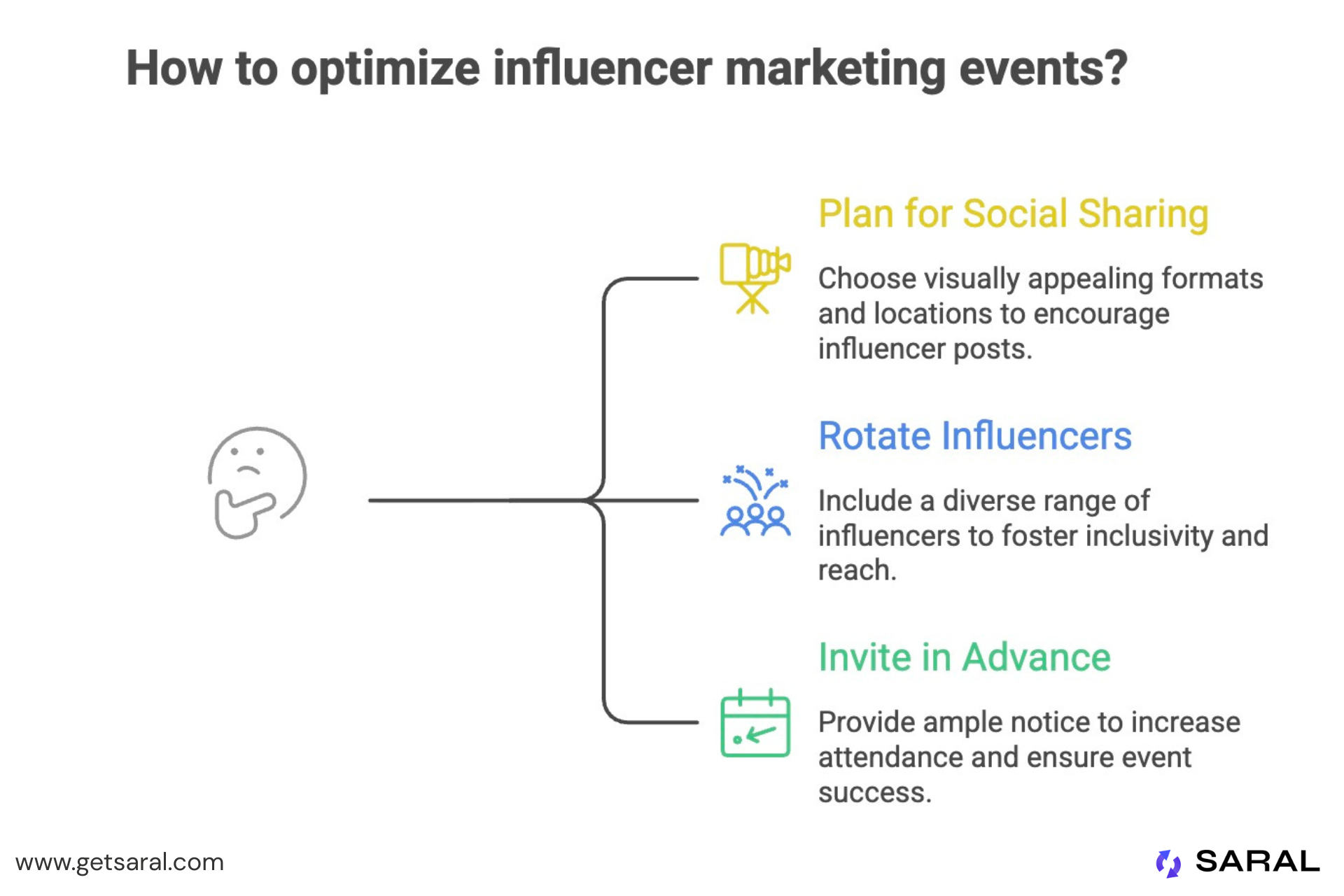
There’s almost always something happening, which gives creators a clear reason to share about the brand.
Rather than relying on one big campaign, the brand stays present in feeds through a series of small, repeatable moments. The settings for these moments are also chosen very deliberately. Each event looks good on camera and feels worth sharing. The spaces, activities, and styling give influencers something visually interesting to capture.
According to Marta Elisabeth, a Creative Strategist and Project Manager focused on experiential and influencer marketing, this kind of repetition creates something bigger than a campaign spike.
“Large activations create impact. Small, recurring events create narrative, and narrative is what sustains brand relevance.
When a brand hosts consistent micro-events — whether it’s wellness sessions, community pop-ups, or launch celebrations — it builds continuity. Instead of a single spike of attention, the brand becomes part of creators’ ongoing lives and content ecosystems.
Repeated touchpoints build familiarity. Familiarity builds trust. And trust builds advocacy.
When the experience is visually and emotionally compelling, posting feels like an enhancement to the creator’s personal brand, not a contractual task.”
Influencers receive a lot of packages. Most of them never make it to social media. So when you’re gifting products and hoping for organic posts, you have to try everything to increase your odds.
You can communicate expectations upfront, but once the package arrives, the decision to post still comes down to one thing: does this feel worth sharing right now?
That’s where your product presentation matters. The way the product shows up, how it looks, and the experience around opening it influence whether it becomes content or just another box on the floor.
Gorgie's Party Pop cranberry flavor launch is a good example of this done well. The box was designed around the flavor itself, using cranberry tones and a clear party theme.
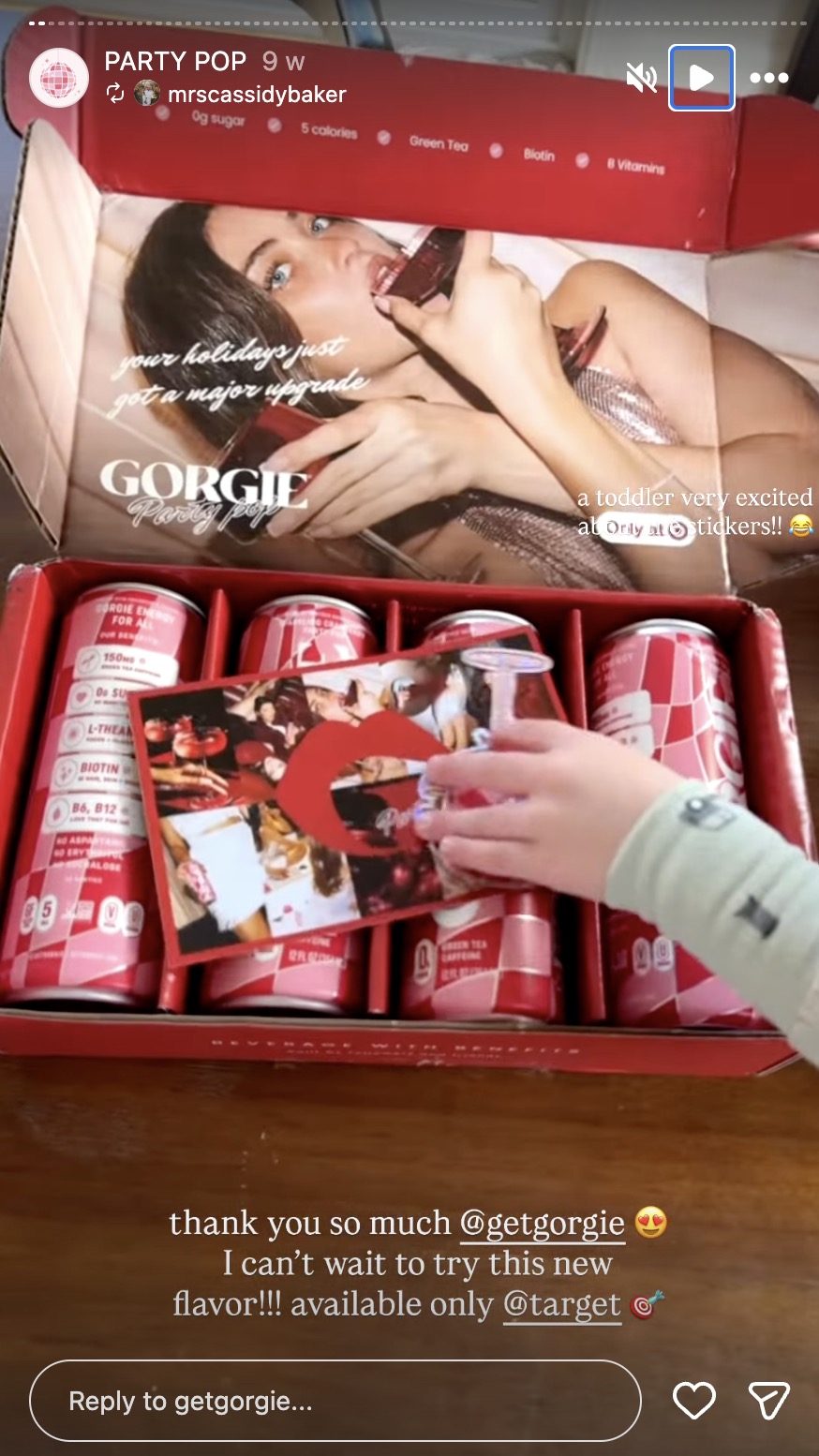
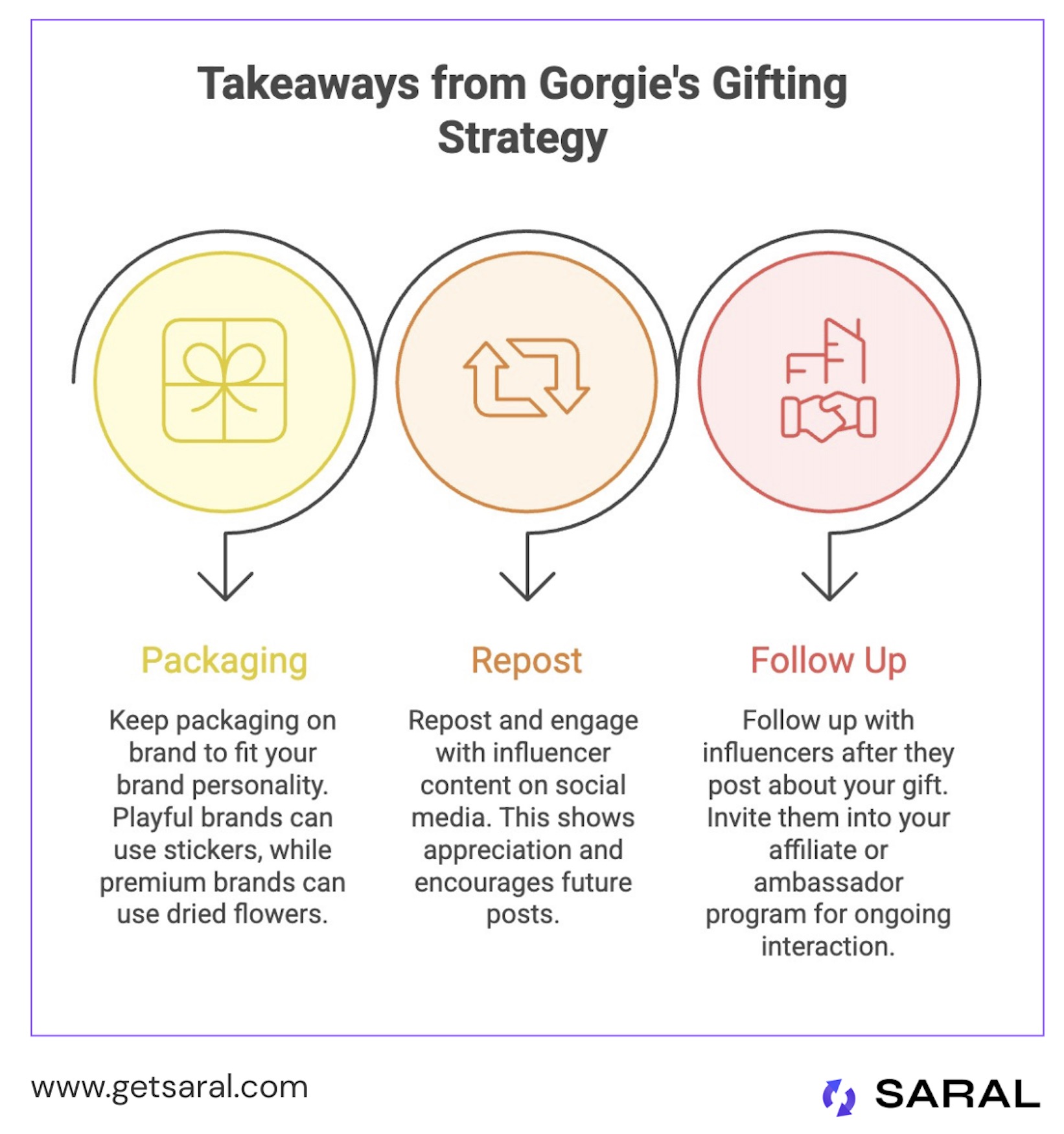
Before the can even came out of the box, the mood was already set. Inside, there were stickers, small details that made the unboxing feel fun, and a note that explained what the launch was about.
All this makes it much easier for influencers to film an unboxing or share a post without having to think too hard about what to say.
Retail shelf space isn’t permanent. A product stays on the shelf only as long as it keeps selling. That’s why launching into retail, or trying to improve performance once you’re there, needs more than a single social post or an email announcement.
Gorgie leverages influencers to keep reminding people that the product is available in stores like Target.
This works because people don’t walk into a store and evaluate every option from scratch. They rely on familiarity and recognition. When someone has already seen a product a few times online (especially from people they follow), they're more likely to pick it up.
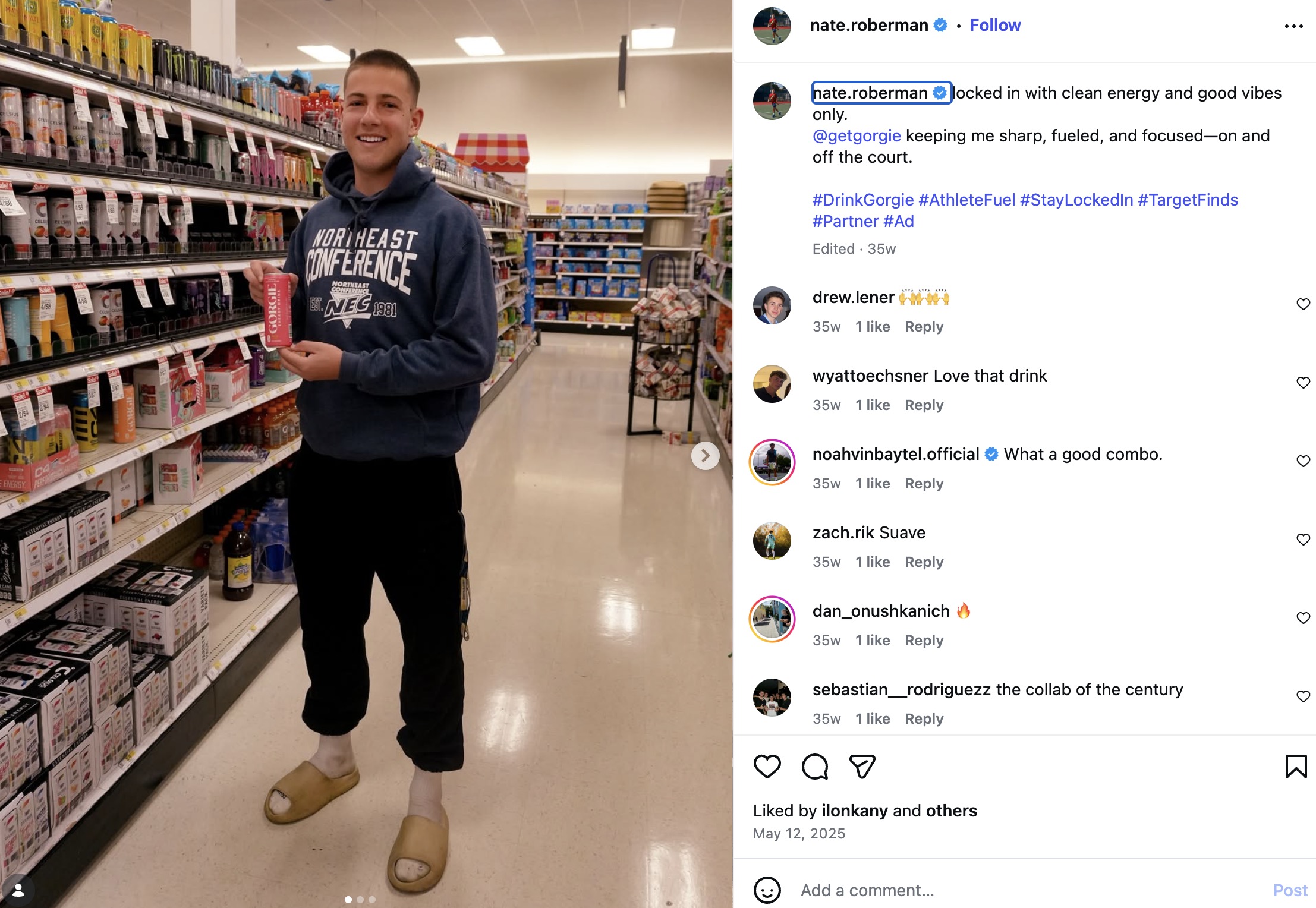
Another smart detail is flavor callouts. Instead of pushing one hero SKU, creators talk about what they like. That spreads attention across the shelf and reduces reliance on a single can to carry the launch.
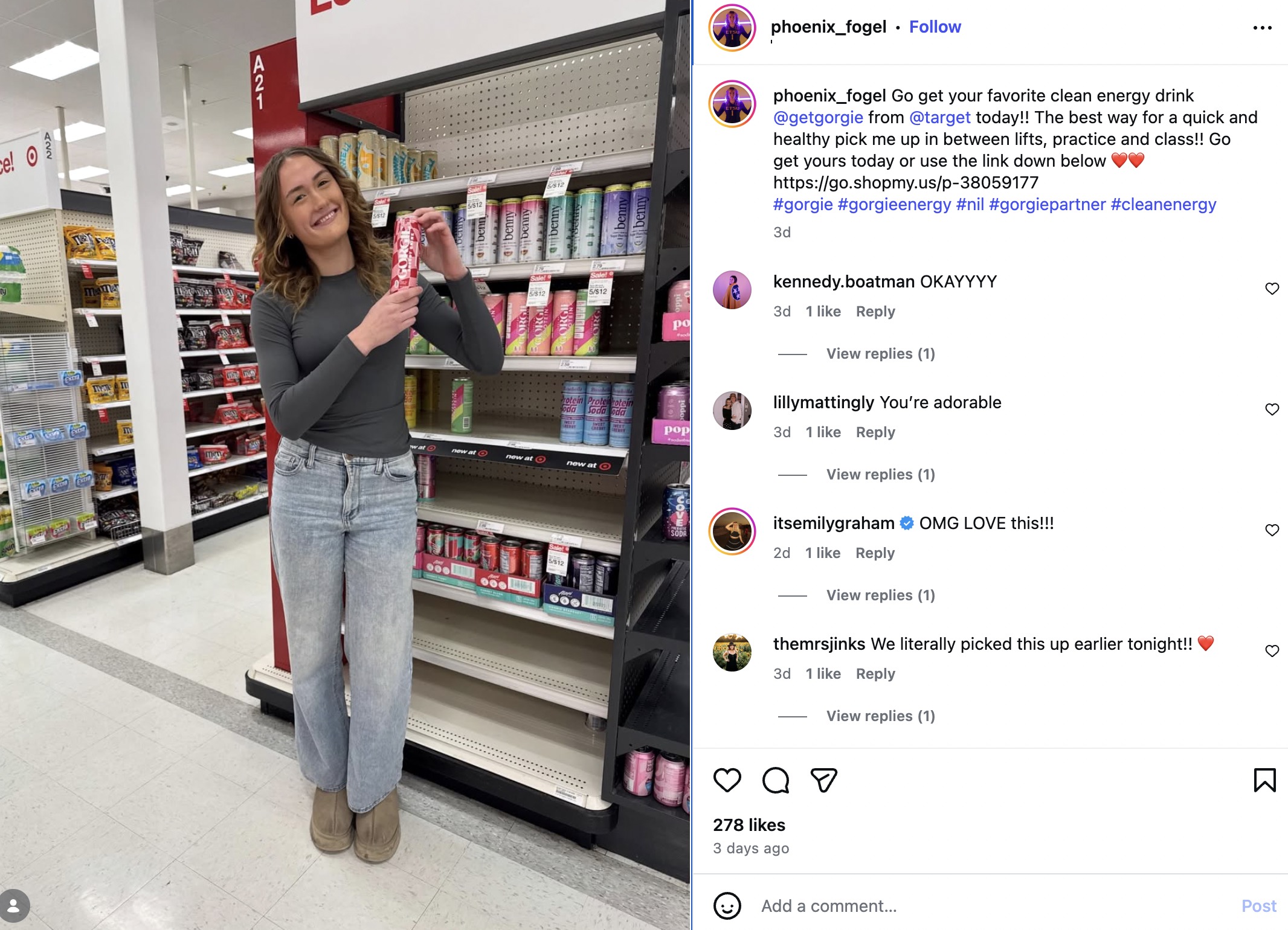
👉 If your products are stocked in stores, work with influencers to remind people they can find them there. Local creators, especially in the same cities as your retail locations, can be particularly effective.
👉 Don’t expect clean attribution. Retail influence doesn’t show up neatly in dashboards. Instead of trying to tie every post to store-level sales, look at overall trends and patterns over time.
What actually makes programs like this work isn’t some viral post, or stroke of luck, or landing a big creator on a discount.
It’s the boring stuff you don't see. The DMs that go out every day. Making sure creators actually understand what you’re sending them. Following up without being annoying. Getting gifting right. Staying in touch with creators.
If you don’t want to build a small army just to manage it all, you need tools like SARAL that can automate the tedious work.
SARAL helps teams manage outreach, conversations, product seeding, follow-ups, and performance tracking in one place. Brands like ****Grüns, Spacegoods, Obvi, and Proactiv Skincare already use it to reduce CAC, and improve brand awareness.
👉 Book a consultative demo to see how it can help your brand.
Sign up for a 7-day email course on the unique "Predictable Influence" strategy used by top brands like Grüns, Obvi, Tabs Chocolate.

If ditching the randomness of influencer campaigns and building a predictable, ROI-first influencer program sounds like a plan. Consider talking to our team!
