


Ready to drive incremental growth with influencers?
If ditching the randomness of influencer campaigns and building a predictable, ROI-first influencer program sounds like a plan. Consider talking to our team!


Influencer Marketing
Influencer marketing helps subscription brands acquire loyal customers, improve retention, build trust, and drive scalable recurring revenue growth sustainably.

.png)
Contents
If you're running a DTC brand in beauty, health, or wellness, you know this pattern: spend $50–$150 to acquire a customer, they buy once, then disappear.
The math doesn't work. CAC keeps climbing. Most purchases are one-time. You're stuck chasing new customers instead of building on the ones you have.
The fix most brands overlook: subscriptions.
We talked to the team at Loop Subscriptions, a platform that helps DTC brands build and scale subscription programs, about how influencer marketing and subscriptions work together. Turns out, most brands are running both strategies in silos when they should be treating them as one system.
If your product is something people use regularly, like supplements, skincare, snacks, or coffee, recurring revenue is sitting right there. But most brands either don't have a subscription program, or they launched one that converts at 5% and can't figure out why it's not moving the needle.
The problem isn't subscriptions. It's how you're trying to get people to subscribe.
When you rely on paid ads to drive subscriptions, you're asking cold traffic to commit to recurring payments after one touchpoint. That's a big ask. It requires trust. A single Instagram ad doesn't build that.
Influencer marketing changes the equation.
Influencers build the familiarity and trust that make someone willing to subscribe. They turn "I saw an ad once" into "I've been hearing about this everywhere." They make subscriptions feel like a smart decision.
When you integrate influencer marketing with subscriptions, you create a compounding growth system that solves for both acquisition and retention simultaneously.
When influencer marketing and subscriptions work together, you unlock three compounding benefits:
Brands running this playbook see influencer-driven subscribers stick around longer, spend more, and bring in other customers organically.
If you're launching a new subscription program or trying to grow one that's stuck, use influencers to create the initial wave of awareness and social proof.
Identify 20-50 micro-influencers in your niche. Give them clear messaging around the convenience and value of subscribing. Have them create content that shows the unboxing experience, explains why they chose to subscribe, and shares a subscription-specific offer.
This drives two outcomes: immediate subscriber acquisition and a library of content you can reuse in ads, emails, and on your website.
What this looks like: A wellness supplement brand partners with 50 fitness micro-influencers to promote their protein powder subscription at launch. The influencers emphasize convenience like: never running out, auto-delivery, one less thing to think about. Result: 40% of clicks convert to subscriptions vs 8% from paid ads running the same offer.
Your long-term subscribers are already your biggest fans. They're buying every month. They like the product enough to keep it in their lives. These are the people who should be creating content about your brand.
Identify your highest-LTV subscribers and invite them into an ambassador program. Offer perks such as free products, early access to new launches, and affiliate commissions. Make it easy and rewarding for them to share.
What you get: authentic UGC from real users, social proof that influences new subscribers, and a content engine that runs at almost no cost.
What this looks like: A health snack brand identifies 200 loyal subscribers and invites them into an exclusive community. No posting requirements, just incentives and perks. Within three months, these subscribers generate 50+ pieces of UGC monthly and drive 300 new subscriptions at zero acquisition cost.
Subscription fatigue is real. When people receive the same product every month, engagement drops and churn rises.
One way to fight this: collaborate with influencers on limited-edition products or on exclusive variants available only to subscribers.
When subscribers can swap products or add limited drops to their next delivery, it keeps them engaged and reduces the "I'm bored of this" churn. The key is making subscription management flexible enough that people can adjust without having to cancel.
Subscription platforms like Loop handle this with product swap functionality that lets subscribers modify their next order in a few clicks.
Promote the drop through the influencer's channels and your own. This creates urgency, reduces churn, and keeps your subscription offering from feeling stale.
What this looks like: A skincare brand partners with a clean beauty influencer to create a subscription-only serum. The influencer announces it to her audience, and the brand promotes it via email and the customer portal. The campaign brings in 800 new subscriptions and reduces monthly churn by 15% because existing subscribers stay engaged with what's coming next.
Not all influencers drive the same kind of customer. Some bring one-time buyers who disappear. Others bring people who subscribe and stick around for months.
Your job is to figure out which is which and then reallocate the budget toward the creators whose audiences become loyal, high-value subscribers.
Key metrics to track:
This shifts your strategy from "who drives the most traffic" to "who drives the best customers." Over time, that difference compounds into significantly better unit economics.
When subscribers try to cancel, most brands show them a generic retention offer: "Get 20% off if you stay." It works sometimes, but it's not very convincing.
Better approach: use testimonials and transformation stories from influencers and customers in your cancellation flow. Let people see what they'd be giving up.
When someone's trying to cancel and they see a 30-second video of a real person explaining how the product changed their routine, it's more persuasive than a discount code. The psychology is simple: people don't want to give up results they've already seen others get.
Loop lets you customise cancellation flows. You can add video testimonials, UGC, and influencer content right into the moment when someone's about to leave.
What this looks like: A supplement brand integrates short video testimonials from 10 micro-influencers into their cancellation flow. The videos are authentic, results-focused, and under 30 seconds. Customers see these before confirming cancellation. Result: 30% reduction in cancellations as people choose to pause or stay instead.
Start by building awareness through influencers. Run ongoing campaigns with micro- and mid-tier creators who regularly talk about your product. Focus on the platforms where your audience already spends time, like Instagram, TikTok, and YouTube.
Make sure influencer content emphasizes the benefits of subscribing: convenience, never running out, exclusive perks. Don't just talk about the product; talk about why subscribing makes sense.
Your subscription experience matters. Let subscribers pause, skip, or swap products easily. The easier it is to stay subscribed, the longer people stick around. Subscription platforms like Loop, built for DTC brands, handle this fulfilment, retention tools, and flexibility all in one place, so you're not cobbling together multiple systems.
Track what works — cross-reference which influencers drive subscribers (not just sales) and which subscribers actually stay. Double down on creators with high LTV audiences. Cut or reduce spending on those who drive one-time buyers.
Turn subscribers into advocates. Identify your highest-value subscribers and invite them into an ambassador program. Give them reasons to share: commissions, free products, VIP access. Let them create content and bring in more people like them.
This creates a flywheel: influencers drive qualified subscribers → subscriptions create predictable revenue → subscribers become advocates → future acquisition costs drop.
Over time, the system gets cheaper and more efficient to run.
If you're running this system, here are the metrics that matter:
Compare how influencer-driven traffic converts to subscriptions vs paid ads. If influencer traffic converts at a higher rate, that's proof the warm-up effect is working.
Track how long subscribers stay, broken down by how they found you. Influencer-driven subscribers should stick around longer because they came in with more trust and familiarity.
Not all influencers drive the same quality of customer. Measure lifetime value by creator so you know who your best partners are.
How many of your subscribers are willing to become advocates? This tells you how strong your product-market fit and community really are.
DTC brands in beauty, health, and wellness can't afford to run subscriptions and influencer marketing as separate strategies anymore. The brands scaling profitably right now are treating both as one growth system.
Influencers drive qualified subscribers. Subscriptions create predictable revenue. Subscribers become advocates. And your acquisition costs drop over time instead of climbing.
If you're serious about building a subscription program that scales, the question isn't "should we do influencer marketing?" It's "who's building trust with our audience before they even hit our site?"
If the answer is "no one" or "just paid ads," you're fighting an uphill battle. Influencers solve that problem. And when you pair them with the right subscription infrastructure, the unit economics finally work in your favor.
Talk to the Loop team to see how they help DTC brands turn one-time buyers into long-term subscribers.
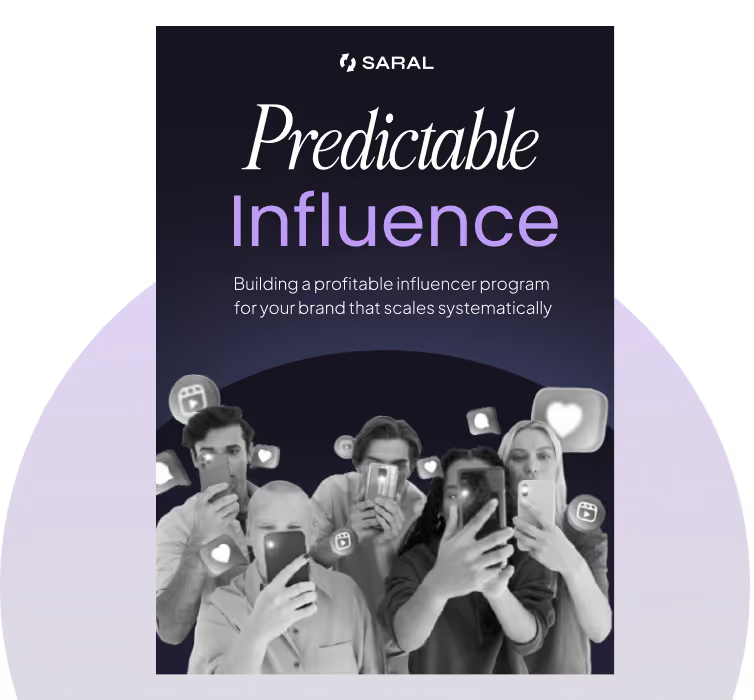
Sign up for a 7-day email course on the unique "Predictable Influence" strategy used by top brands like Grüns, Obvi, Tabs Chocolate.
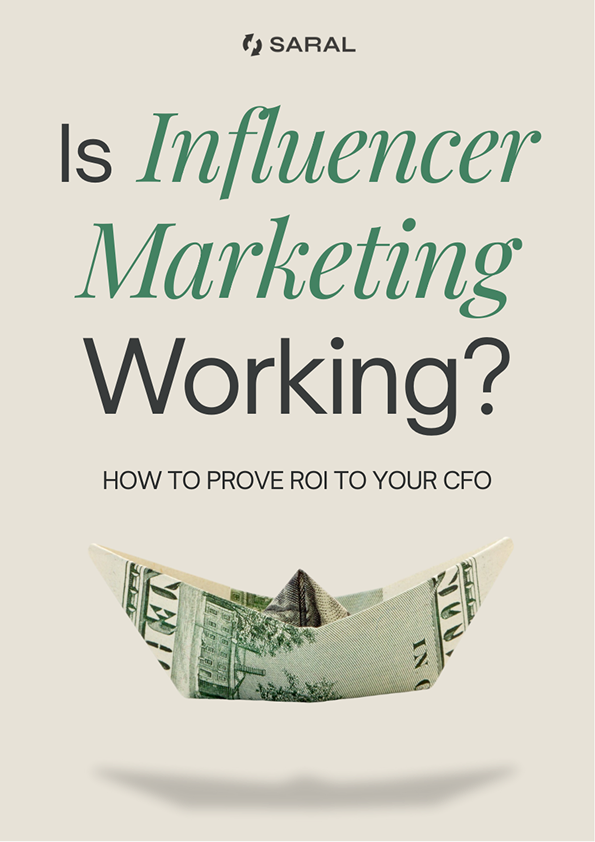
This guide shows you how to measure the full funnel impact of influencer marketing - what your dashboard misses, report it in language finance understands, and handle every objection with frameworks from brands that have already won this fight. Featuring expertise from: CMOs and marketing leaders at Slumberkins, Spacegoods, Charlie Oscar, KnoCommerce, and more.

If ditching the randomness of influencer campaigns and building a predictable, ROI-first influencer program sounds like a plan. Consider talking to our team!
