


Ready to drive incremental growth with influencers?
If ditching the randomness of influencer campaigns and building a predictable, ROI-first influencer program sounds like a plan. Consider talking to our team!


Forensics
Find out how Lovevery leveraged influencer partnerships, professional networks, and content repurposing to grow their brand. What ideas will you take away for your own brand?

Contents
Subscription businesses struggle with churn as getting people to keep paying month after month is often harder than getting them to sign up in the first place. Now try doing that in the kids and toys category, where parents are cautious spenders who research everything, and ask other parents before buying.
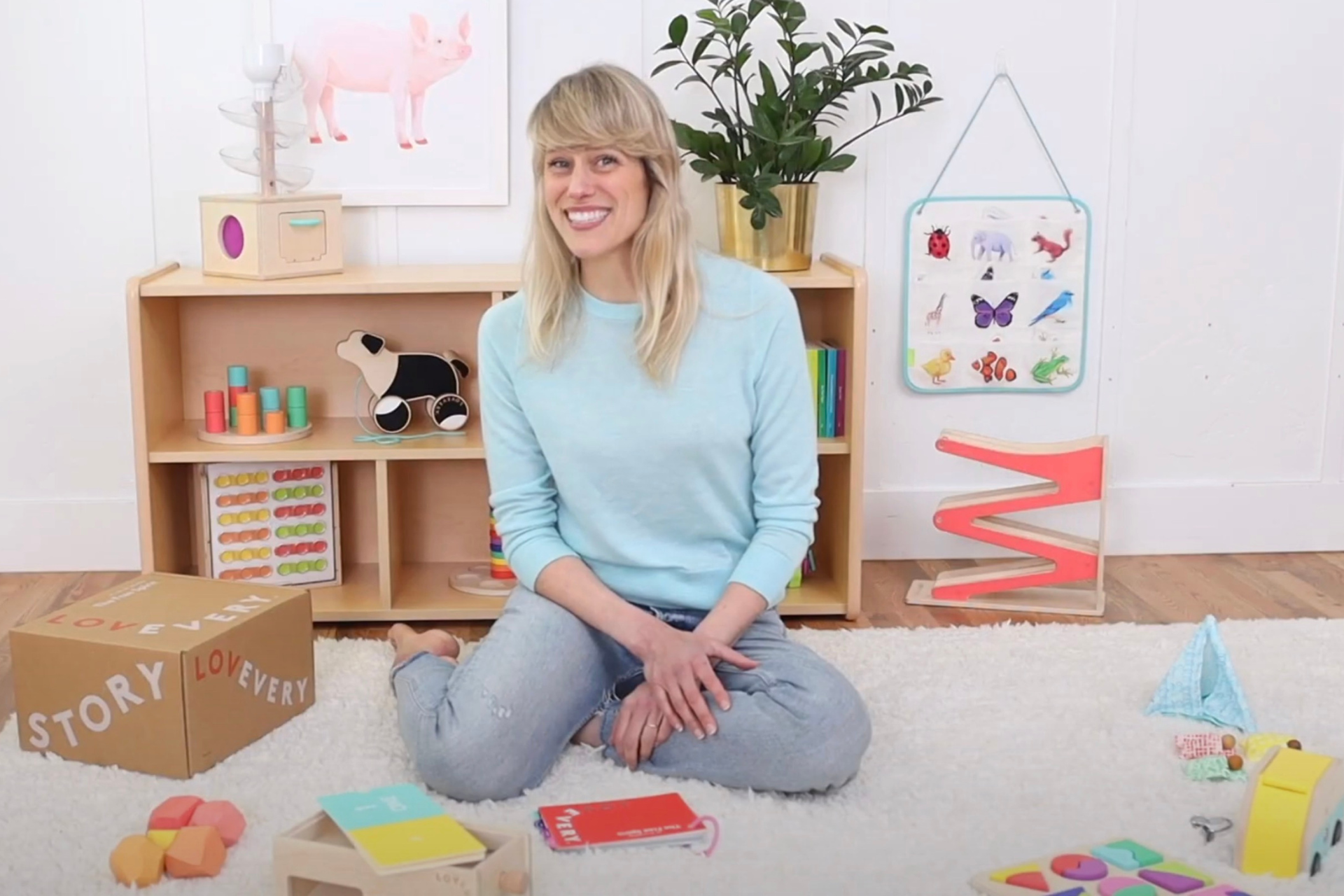
Lovevery, a DTC subscription toy company, has managed to crack this. They have over 220,000 active subscribers, $200M+ in annual recurring revenue, and 2.3 million Instagram followers.
How did Lovevery achieve this?
They picked the right growth channel for the problem they were solving. When your buyer won't spend without trusting you first, your marketing can't rely on performance ads alone. It has to be built on word of mouth and credibility. That's why Lovevery leaned into influencer marketing.
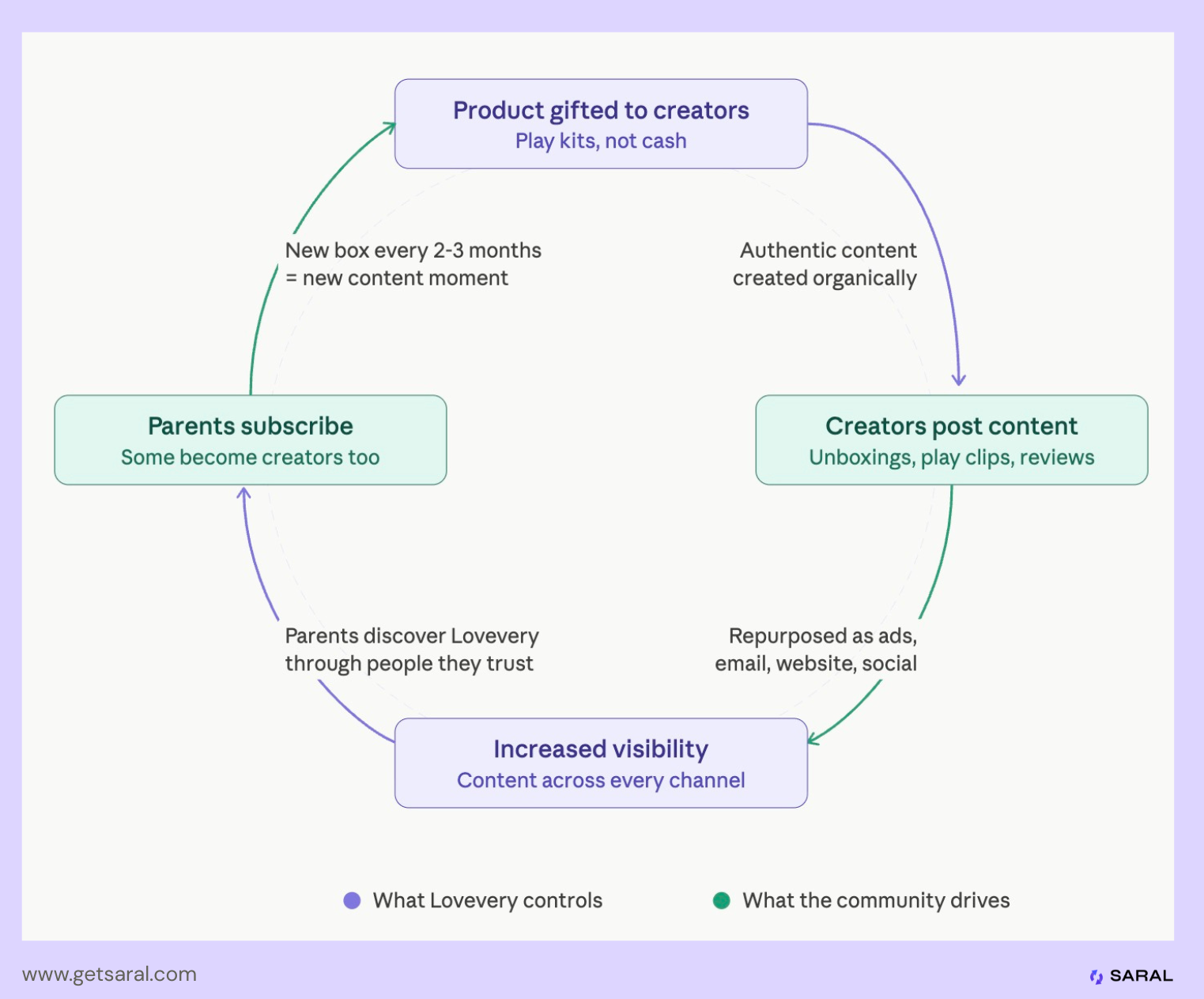
They built a system: gifting product to hundreds of small creators, repurposing that content across every channel, and layering it on top of genuinely useful educational content that gave creators something worth talking about.
The result is a flywheel where every new subscription box becomes an unboxing moment, every unboxing becomes content, and every piece of content pulls in the next subscriber.
If you're part of a DTC brand (especially in a niche category like kids, education, pet food, wellness, or anything where trust matters more than impulse) and you want to understand how to make influencer marketing a real growth lever, Lovevery's influencer marketing strategy is worth studying.
In this blog, we'll break down four specific things Lovevery does well with influencer marketing. Each one comes with practical takeaways you can apply to your own brand.
Lovevery doesn't just find influencers through outreach. They also let creators come to them.
They have a dedicated landing page that gives information about the 3 different types of collaborations they do:
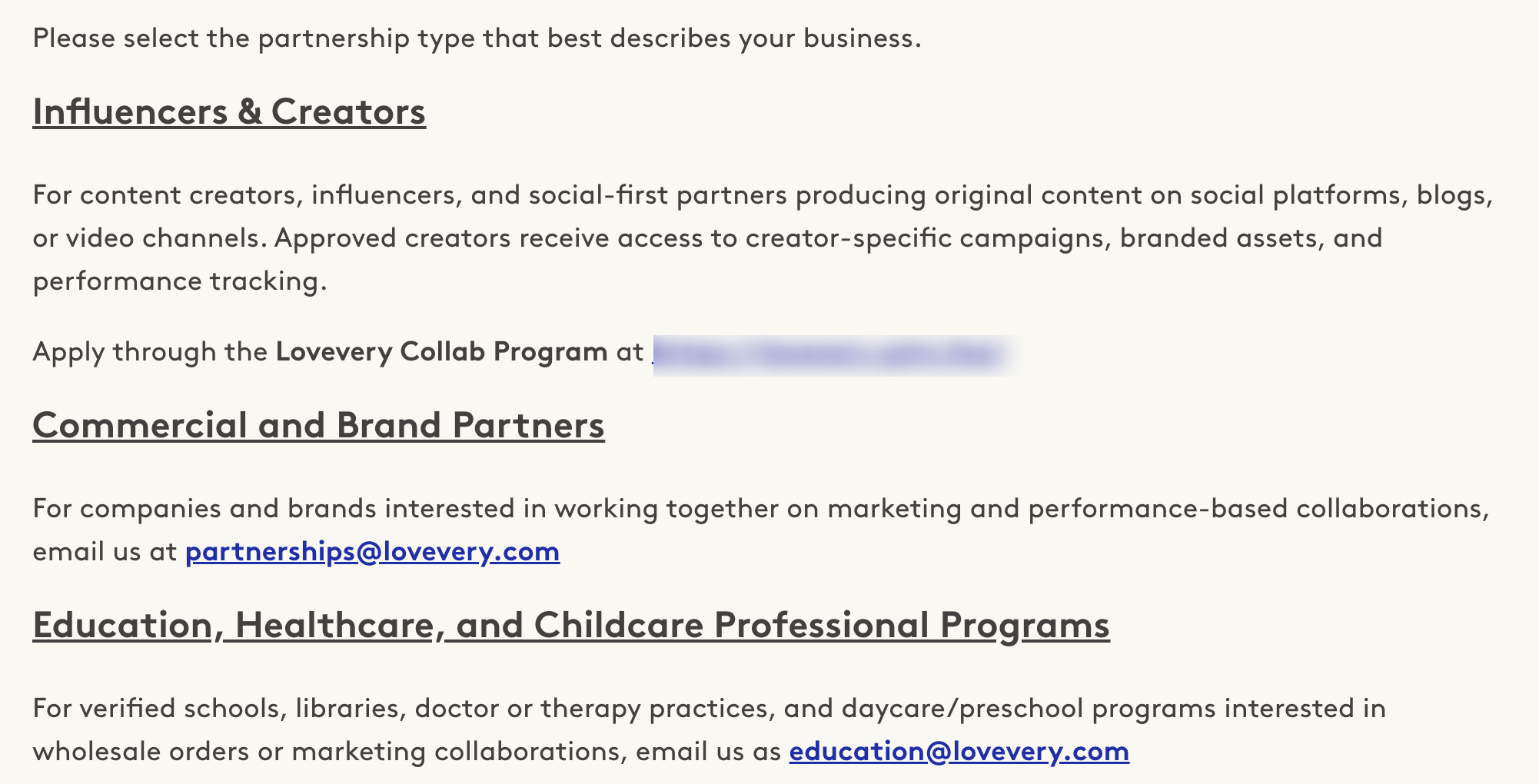
Each one has its own entry point and application process.
Approved creators get access to specific campaigns, branded assets, and affiliate links. This means creators can pick campaigns that fit them, get what they need to make content, and see how it performs.
The professional partnerships category is the standout. Most baby and toy brands stop at influencers and maybe brand collabs. Lovevery is actively bringing in schools, libraries, therapists, and daycare programs.
These are people parents already trust. When a pediatric therapist recommends a toy during a session, or a Montessori school uses it in the classroom, parents hear about it at pickup, in waiting rooms, in parenting groups. That kind of recommendation carries a weight that social media posts often can't match.
Influencer content has a short shelf life if it only lives on the creator's feed. Lovevery extends that shelf life by turning it into paid ads.
Whitelisting (also called partnership ads or creator licensing) is when a brand runs a paid ad directly from a creator's account. So instead of the ad showing up as a post from Lovevery, it shows up as a post from the creator, with "Sponsored" and Lovevery's name tagged alongside.
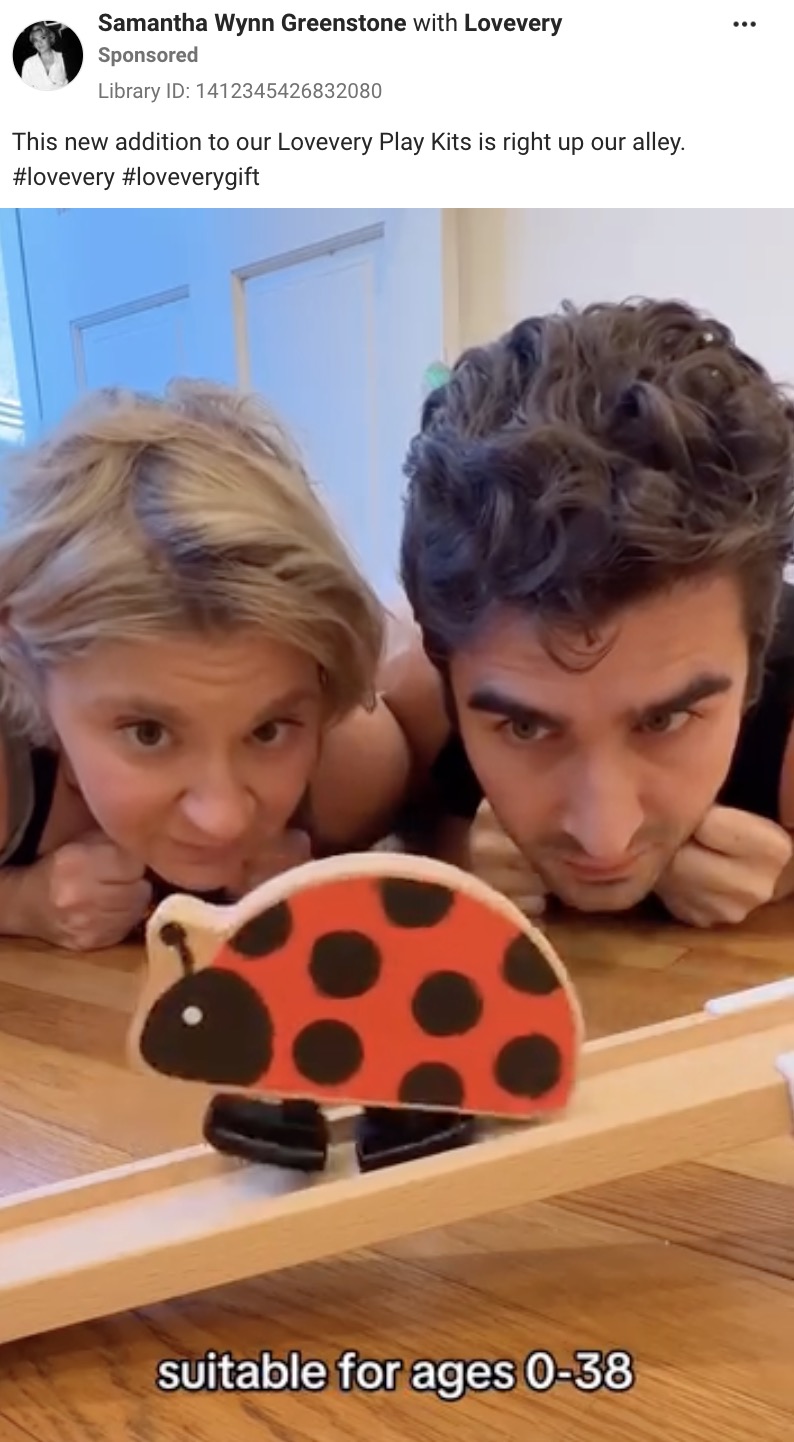
The ad looks and feels like something the creator would normally post. It blends into the feed instead of interrupting it. A parent scrolling Instagram is far more likely to pause on a video from another parent than on something that's clearly a brand ad.
Another benefit is that you reach new audiences beyond the creator's followers. With a regular influencer post, you're limited to whoever sees it organically. With whitelisting, you can put paid spend behind it and target specific demographics, lookalike audiences, or retargeting pools, all while keeping that creator-first feel.
The other approach is taking creator content or quotes and running them as ads from Lovevery's own account. Here, the ad is clearly from Lovevery, but the content shows a real parent sharing a real experience rather than something produced by a marketing team.
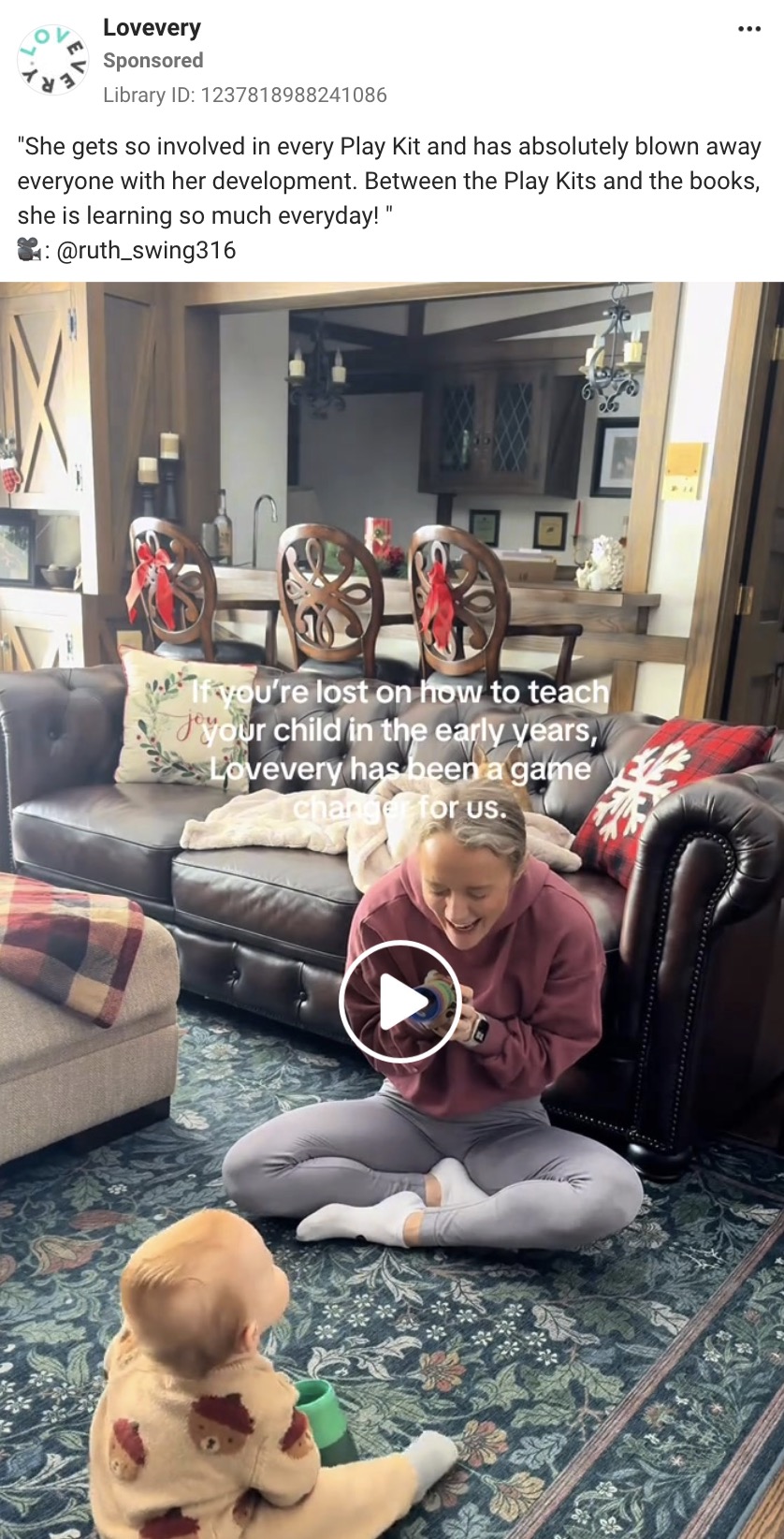
→ Whitelisted ads borrow the creator's credibility.
→ Brand-side ads give Lovevery control over targeting and messaging.
Instagram feed or ads aren't the only place where influencer content is useful. Your website, your emails, your own social feed, your blog, they all need visuals and stories that feel real. Creator content can fill those spots, too.
Here's where we've spotted it:
a) Instagram & TikTok feed. Lovevery's instagram account, and TikTok tab is full of content from parents playing with their kids, tummy time clips in real-home settings. Much of this is from influencers and content creators.
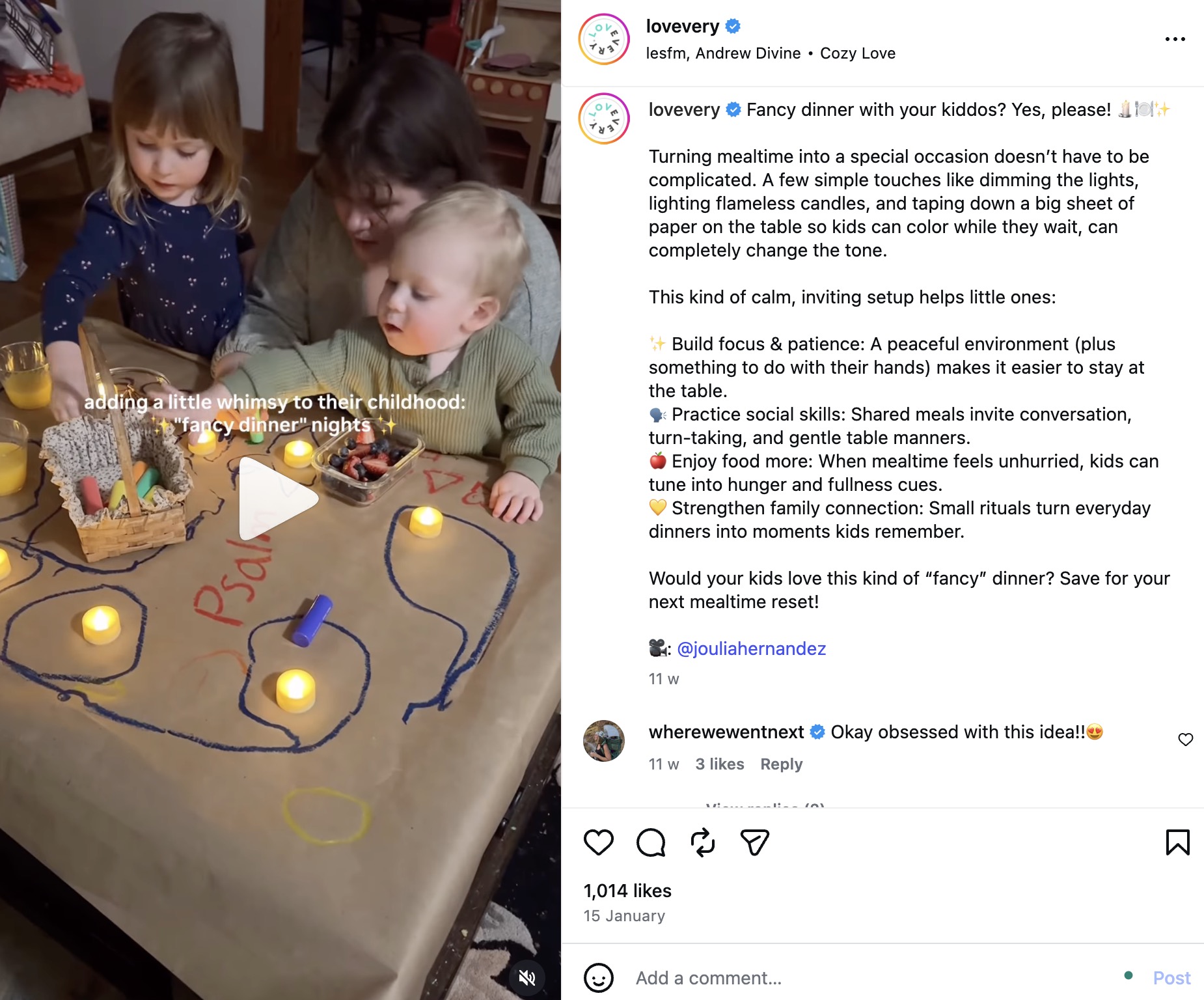
The result is a feed that parents actually want to follow, not one they scroll past because it only features their products.
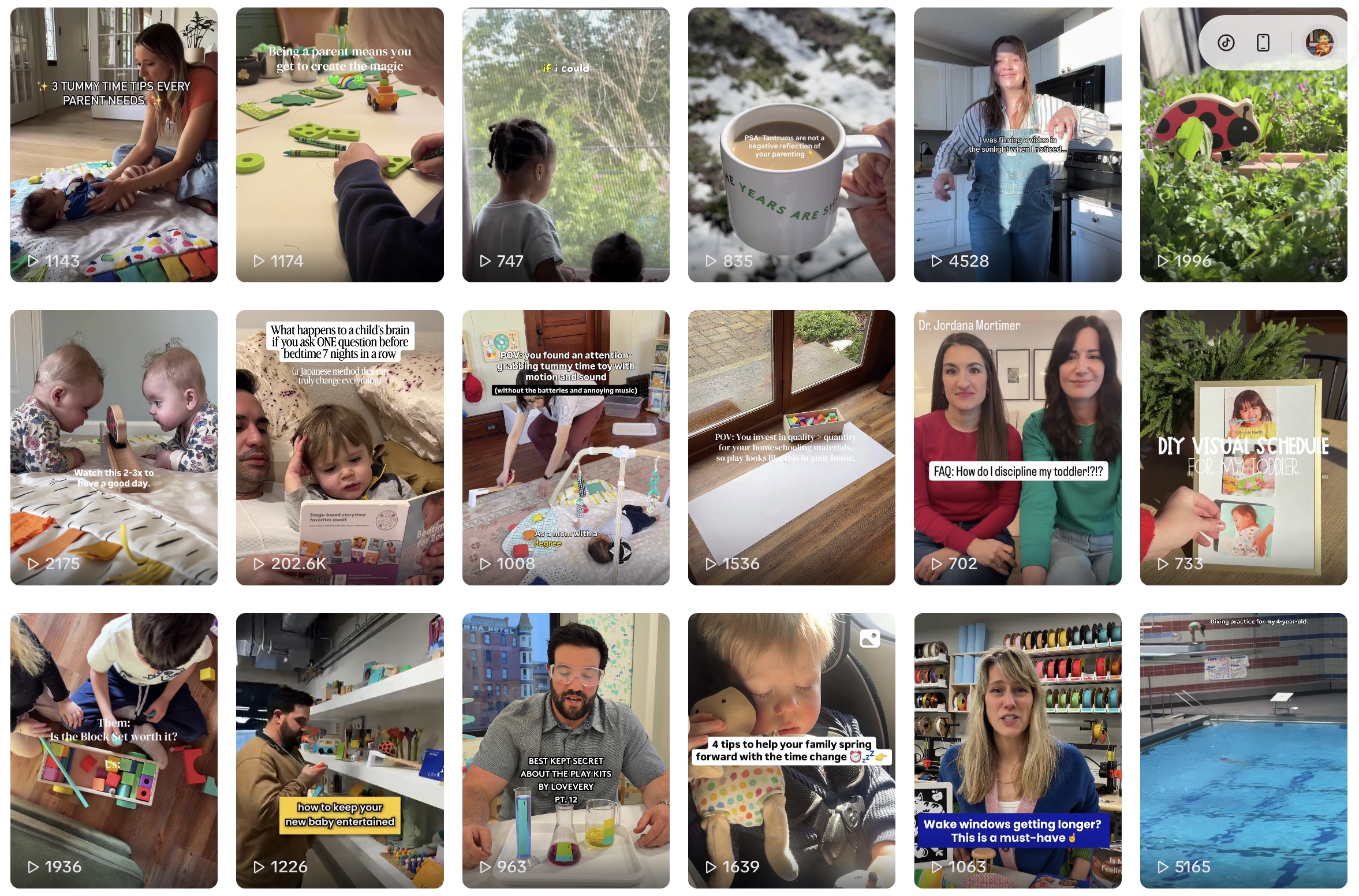
b) Homepage. There's an "Our Lovevery family" section featuring a grid of photos tagged with #Lovevery. Real families, real homes, real play sessions. It acts as social proof for anyone on the fence.
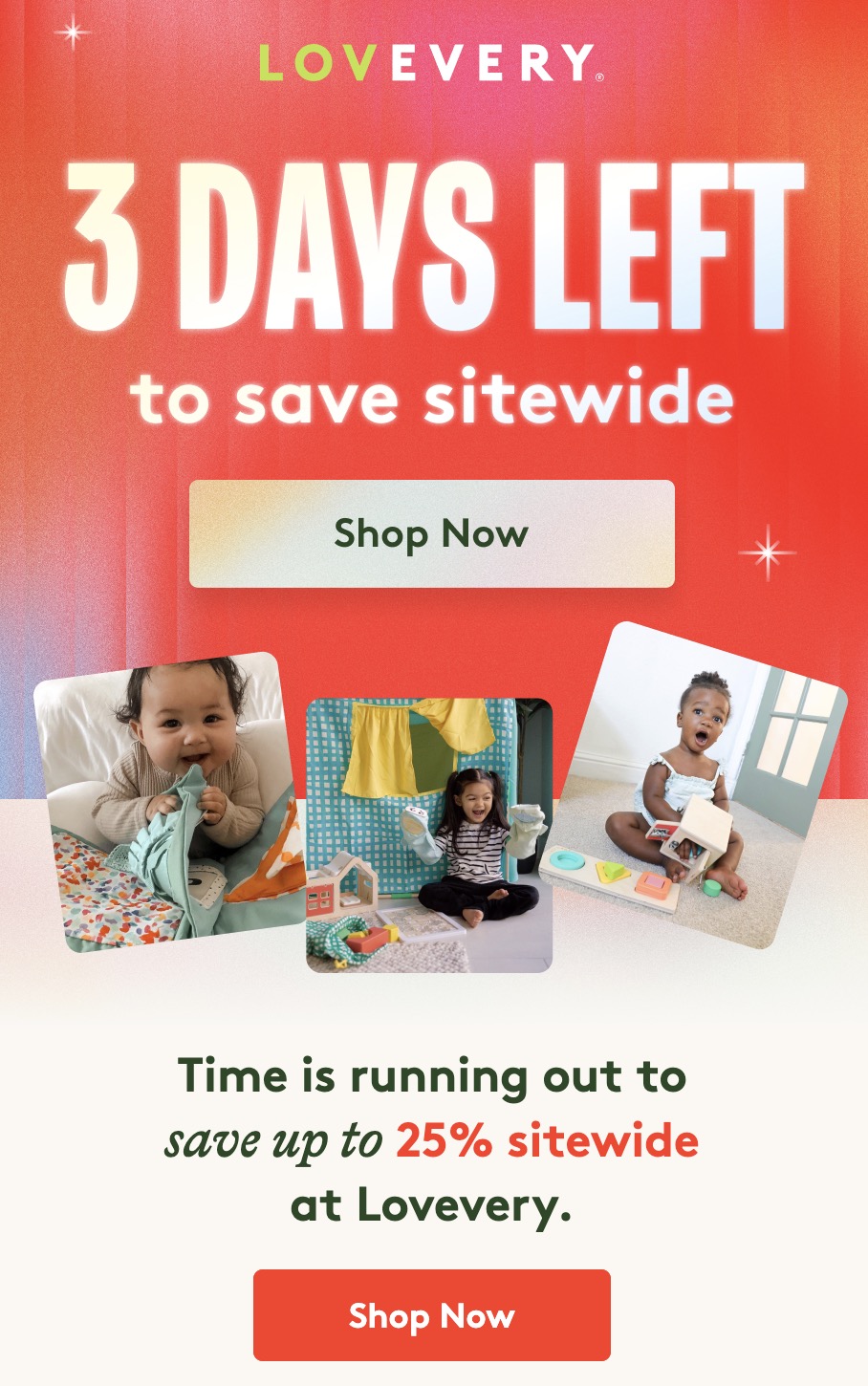
c) Emails. Rather than brand-produced they have kids in actual living rooms and nurseries. This keeps the authentic feel consistent even when the email itself is asking you to buy something.
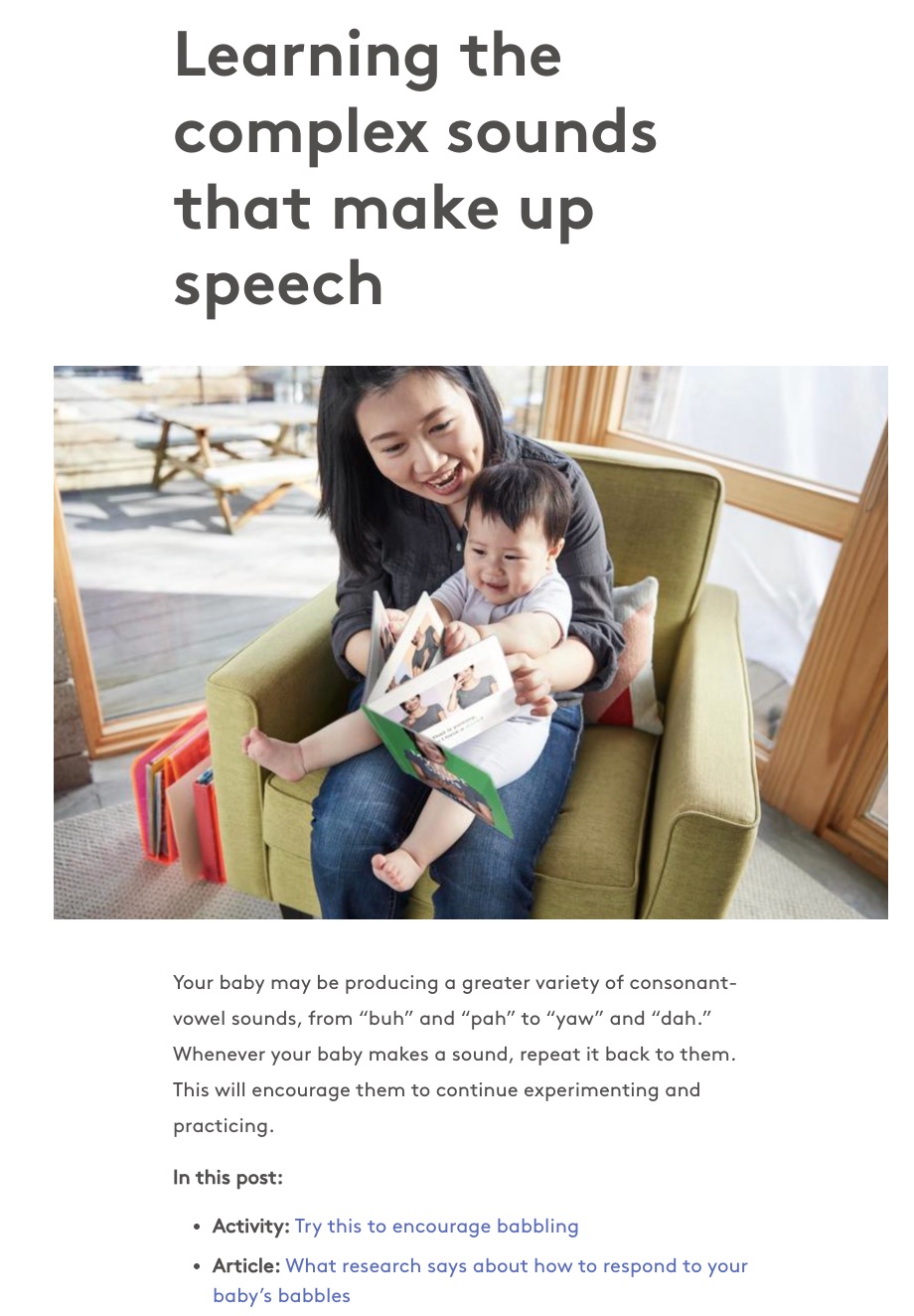
d) Blog. Lovevery publishes educational content on child development topics like sensory play, Montessori methods, and age-appropriate activities. This creates a useful loop: a creator posts about tummy time with a Lovevery toy, and Lovevery's blog has a detailed article on why tummy time matters.
When creators post about Lovevery, the brand shows up in the comments. They like the post, leave a personalized comment, and make sure their presence is felt on the creator's page.
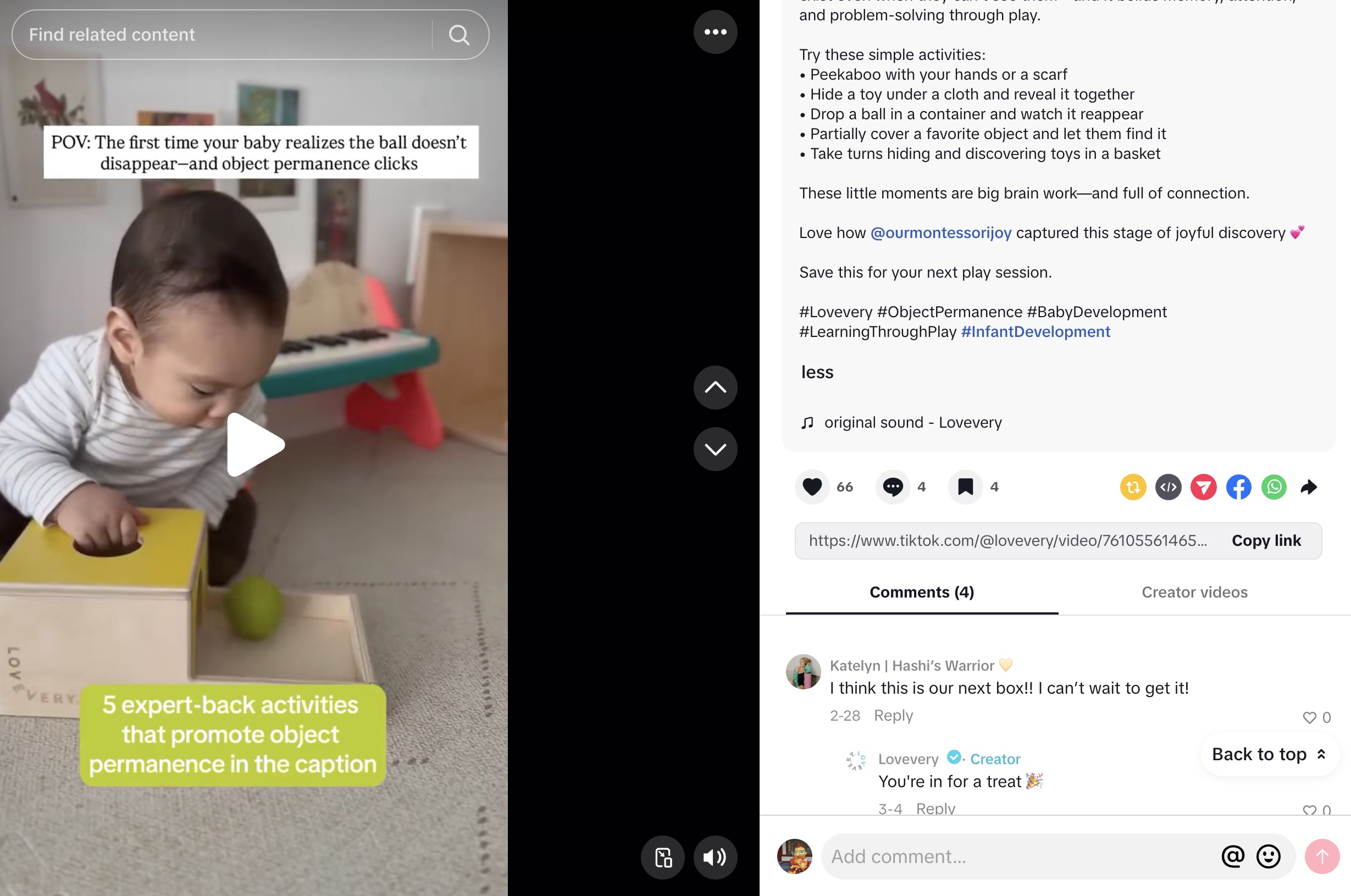
The four tactics above don't work in isolation. They work because Lovevery runs them as one connected system. A creator applies through the partnerships page, gets onboarded with their brief and affiliate link, posts content, the brand engages in the comments, the content gets pulled into ads and the homepage, and the cycle keeps going.
The only way that actually happens at scale is with infrastructure. A spreadsheet tracking applications, a separate tool for affiliate codes, another for outreach, Slack threads for content approvals, and someone manually copying data between them. That's how most programs fall apart by the time you're working with more than 20 creators.
SARAL is built to hold all of it in one place.
200+ DTC brands, including Gruns, Slumberkins, and Spacegoods, use SARAL to run programs that would otherwise need a team of five. If you want to see what it looks like, request a free trial or book a demo. We'll walk you through how to set up each piece based on what your brand needs.
Sign up for a 7-day email course on the unique "Predictable Influence" strategy used by top brands like Grüns, Obvi, Tabs Chocolate.

If ditching the randomness of influencer campaigns and building a predictable, ROI-first influencer program sounds like a plan. Consider talking to our team!
